

Best Hysteroscopy Training Course
In today’s era of minimally invasive gynecology, hysteroscopy has emerged as a cornerstone diagnostic and therapeutic procedure. From evaluating abnormal uterine bleeding to treating intrauterine pathologies like polyps, fibroids, and adhesions, hysteroscopy offers unparalleled precision and faster recovery times. As technology evolves and patient expectations rise, so does the demand for highly skilled hysteroscopy professionals who can deliver safe and effective care.
Recognizing this growing need, medical professionals worldwide are seeking comprehensive and hands-on hysteroscopy training to enhance their surgical capabilities and remain competitive in the field. Whether you're a practicing gynecologist or a postgraduate medical student, choosing the right hysteroscopy training course is a crucial step in advancing your clinical expertise.
This blog aims to guide you through the essential factors to consider when selecting the best hysteroscopy training course, from curriculum quality and faculty experience to live hands-on exposure and global accreditation. With the right training, you can confidently perform both diagnostic and operative hysteroscopy, improving patient outcomes and elevating your practice standards.
Get course schedule
How can we help you?
Contact us for information at +918686582020
What is Hysteroscopy?
Hysteroscopy is a minimally invasive procedure that allows gynecologists to examine the inside of the uterus using a thin, lighted instrument called a hysteroscope. Inserted through the vagina and cervix, this tool transmits a live view of the uterine cavity, helping doctors accurately diagnose and treat various gynecological conditions without the need for open surgery.
Clinically, hysteroscopy serves both diagnostic and operative purposes. Diagnostic hysteroscopy helps identify causes of abnormal uterine bleeding, infertility, or recurrent miscarriages. Operative hysteroscopy, on the other hand, is used to remove uterine polyps, fibroids, adhesions (Asherman’s syndrome), or to correct structural anomalies like a uterine septum — all performed with precision in real time.
For patients, the benefits include shorter recovery times, minimal pain, and reduced hospital stays. For gynecologists, especially those undergoing hysteroscopy training, the procedure enhances their ability to provide precise and effective care with fewer complications.
As demand for minimally invasive techniques grows, hands-on hysteroscopy training has become essential for gynecologists aiming to advance their clinical skills and offer better patient outcomes in modern gynecological practice.
Types of Hysteroscopy Training Courses
Hysteroscopy training courses are available in various formats to cater to different levels of expertise and learning preferences. These programs are designed to provide both theoretical understanding and practical skills essential for performing diagnostic and operative hysteroscopy.
- Short-term Workshops
These are ideal for beginners or practicing gynecologists looking to update their skills quickly. Typically lasting a few days, these intensive programs cover the basics of hysteroscopy, including instrumentation, patient selection, and procedural techniques. Some include simulated training or live demonstrations to enhance learning. - Long-term Fellowships
For in-depth expertise, long-term fellowship programs offer comprehensive exposure to complex hysteroscopic procedures. Usually spanning 3–12 months, these fellowships combine clinical rotations, supervised surgeries, and academic sessions. They are best suited for gynecologists aiming to specialize in minimally invasive gynecology. - Hysteroscopy Hands-On Training
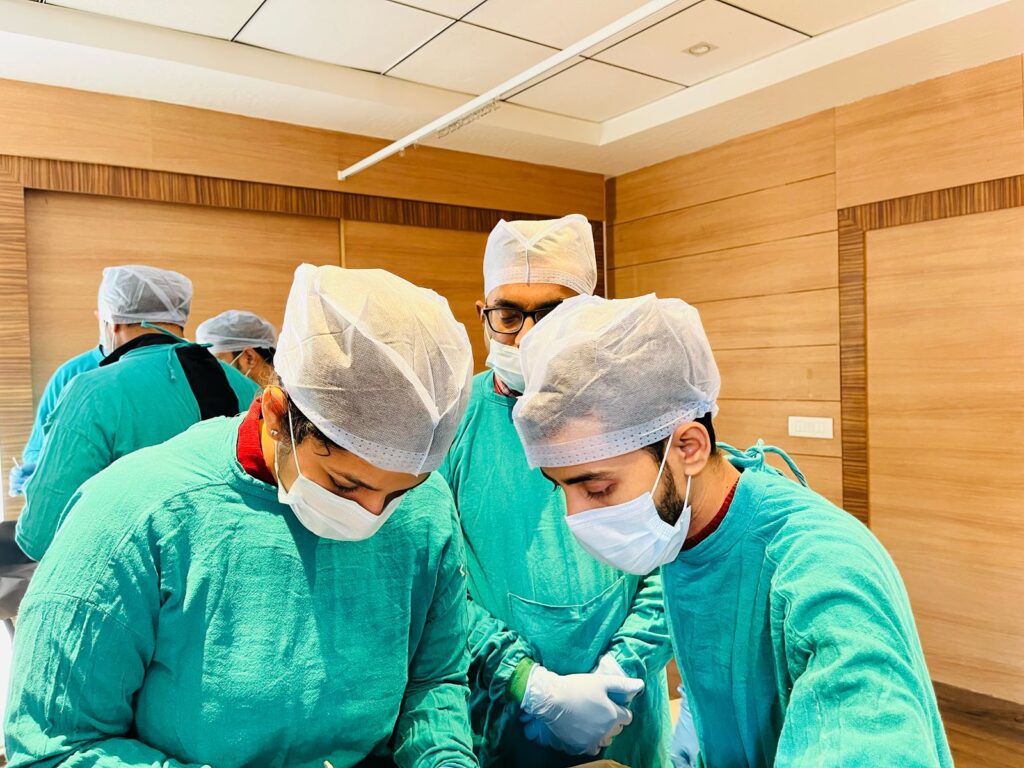
Practical exposure is critical in hysteroscopy. Hands-on training courses allow participants to perform procedures on simulators, models, or real patients under expert supervision. These courses bridge the gap between theory and practice, enhancing surgical confidence and precision. - Hysteroscopy Training Online Options
For those unable to attend in-person classes, hysteroscopy training online is a flexible alternative. These courses often include video lectures, interactive case discussions, and virtual simulators, making it easier for professionals to learn at their own pace from any location.
Whether choosing short workshops or advanced hysteroscopy hands on training, selecting the right course depends on your career goals and current proficiency.
Whatsapp Now Read ReviewWhy Pursue a Hysteroscopy Training Program?
Enrolling in a hysteroscopy training program is a strategic step for gynecologists and surgeons aiming to advance their expertise in minimally invasive gynecology. These specialized hysteroscopy training courses focus on hands-on skill development, enabling medical professionals to perform diagnostic and operative hysteroscopy procedures with greater confidence and precision. From managing abnormal uterine bleeding to treating fibroids and polyps, the training sharpens procedural accuracy and clinical decision-making.
Improved patient outcomes are a direct benefit of such training. With enhanced skills, doctors can offer quicker recovery times, reduced hospital stays, and minimally invasive solutions, significantly increasing patient satisfaction and trust. As a result, professionals completing hysteroscopy courses often find improved career opportunities, including placements in reputed hospitals, private practice expansion, or eligibility for advanced fellowships.
Moreover, hysteroscopy is a rapidly evolving field. New tools like high-definition hysteroscopes, office-based systems, and 3D imaging are constantly emerging. A structured hysteroscopy training program helps professionals stay updated with these technological advancements, ensuring they deliver modern, evidence-based care.
In a competitive medical landscape, staying current and skilled is essential. Hysteroscopy training courses offer the perfect pathway to build clinical excellence, boost patient care, and unlock new career potential in gynecology.
Key Features of the Best Hysteroscopy Training Course
Choosing the right hysteroscopy training course is crucial for any gynecologist or surgeon aiming to specialize in minimally invasive diagnostic and operative techniques. The best programs are designed to offer a perfect blend of academic knowledge and practical exposure.
A comprehensive curriculum is the foundation of any reputable hysteroscopy training centre. It should cover in-depth theoretical knowledge on uterine anatomy, indications, complications, and procedural steps, along with hands-on sessions to reinforce learning.
The presence of experienced faculty ensures that students learn from professionals who have years of surgical experience and academic expertise. Their guidance significantly enhances clinical confidence and skill development.
State-of-the-art simulation labs play a vital role in refining operative skills before transitioning to live patients. These labs allow participants to safely practice camera navigation, uterine distension techniques, and instrument handling.
Additionally, top programs offer live case observation and participation, giving trainees real-time exposure to varied clinical scenarios, under expert supervision.
Lastly, a recognized certification and accreditation adds immense value to your career. It confirms the credibility of the hysteroscopy training course and makes your credentials widely accepted across hospitals and clinics.
When selecting a hysteroscopy training centre, ensure these essential features are in place for a truly enriching learning experience.
How to Select the Right Hysteroscopy Training Centre
Choosing the right hysteroscopy training centre is crucial for gaining practical skills and building a successful career in minimally invasive gynecology. With several options available, consider the following key factors to ensure you select the most suitable hysteroscopy training program:
- Reputation and Reviews:
Start by researching the training centre’s reputation. Look for online reviews, testimonials, and success stories from past participants. A well-reviewed institute is more likely to deliver quality education and hands-on experience. - Faculty Qualifications:
Expert instructors make all the difference. Ensure the centre is led by qualified gynecologists and endoscopic surgeons with strong academic backgrounds and clinical expertise in hysteroscopy. - Infrastructure & Technology:
Modern infrastructure, simulation labs, and advanced hysteroscopic equipment enhance the learning experience. A top-tier hysteroscopy training centre should provide exposure to real-time procedures using state-of-the-art tools. - Alumni Feedback:
Reach out to previous trainees to get genuine insights into the training experience. Their feedback can help you gauge the program’s practical value and post-training support. - Industry Recognition:
Check if the centre is affiliated with recognized medical boards or institutions. Accredited hysteroscopy training programs carry more value for career advancement and global recognition.
Choosing the right training centre is an investment in your future—take the time to evaluate each factor carefully.
Top Institutes Offering the Best Hysteroscopy Training Course
Choosing the right hysteroscopy training centre is essential for gaining practical expertise and building a successful career in gynecological endoscopy. Among the most reputed institutes in India, The Medicity Research Institute stands out for its advanced infrastructure, experienced faculty, and hands-on learning modules.
Located in DLF Phase 3, Gurugram, India, The Medicity Research Institute offers some of the most comprehensive hysteroscopy training courses in the country. Designed for gynecologists, surgeons, and postgraduate students, their courses focus on both basic and advanced techniques, including diagnostic and operative hysteroscopy. What truly sets Medicity apart is its emphasis on real-time hands-on training using high-fidelity simulators and live surgeries under expert supervision.
The institute also offers specialized fellowship programs in minimally invasive gynecology, laparoscopic surgery, and infertility management. With a strong commitment to academic excellence and clinical skill development, Medicity provides its trainees with real clinical exposure, post-training mentorship, and internationally recognized certification.
For medical professionals looking to enhance their hysteroscopic skills in a structured and supportive environment, The Medicity Research Institute is a top choice. Their curriculum is continuously updated to reflect global best practices and is tailored to meet the evolving demands of women’s health care.
Contact The Medicity Research Institute
📍 DLF Phase 3, Gurugram, India
📞 +91 8686582020
If you’re searching for a trusted and advanced hysteroscopy training centre, The Medicity offers one of the most reputed and practical hysteroscopy training courses in India.
Benefits of Enrolling in a Hands-On Hysteroscopy Training Program
Joining a hysteroscopy hands on training program provides significant advantages for gynecologists and surgeons aiming to elevate their clinical expertise. Unlike traditional learning, hands-on training bridges the gap between theoretical knowledge and real-world surgical practice.
One of the key benefits is real-world experience. Trainees perform diagnostic and operative hysteroscopies in live scenarios or advanced simulation labs, allowing them to apply techniques in a controlled, supervised environment. This practical exposure enhances understanding of uterine anatomy, scope navigation, and procedural steps.
Such programs also play a vital role in confidence building. Repeated hands-on practice under expert guidance boosts a surgeon’s self-assurance, ensuring they are well-prepared to handle complex intrauterine procedures independently in their own practice.
Additionally, a hysteroscopy training program trains participants in identifying and handling complications such as cervical stenosis, uterine perforation, and fluid overload. Learning complication management in a hands-on setting ensures quicker decision-making during critical situations.
Lastly, these training programs offer unmatched opportunities for networking with peers and mentors. Participants engage with senior hysteroscopists, trainers, and fellow clinicians, building relationships that often translate into long-term collaborations, research, and career growth.
In summary, enrolling in a hysteroscopy hands on training program is an investment in surgical skill, patient safety, and professional advancement.
Online vs. Offline Hysteroscopy Training: What Should You Choose?
When choosing between hysteroscopy training online and offline formats, understanding the pros and cons of each can help you make an informed decision.
Online hysteroscopy training courses offer flexibility, cost-effectiveness, and easy access to recorded lectures, 3D animations, and expert-led webinars. This format is ideal for working professionals, international students, and beginners who want to build theoretical knowledge at their own pace. However, online training may lack the hands-on practice and real-time case exposure that are essential for surgical confidence.
On the other hand, offline hysteroscopy training courses provide in-person mentorship, hands-on simulations, and direct interaction with patients and equipment. These immersive experiences are critical for mastering procedural skills and decision-making. Yet, offline training requires more time, travel, and financial commitment, which may not suit everyone.
Best suited options vary by learner profile:
- New learners may start online to build foundational knowledge.
- Practicing gynecologists or surgeons benefit more from offline, hands-on experience.
- Postgraduate students may consider combining both formats.
An integrated approach—beginning with online hysteroscopy training and transitioning into an in-person hands-on module—offers the best of both worlds. It ensures a solid theoretical base while building technical competence in real clinical environments.
Conclusion
In today’s evolving landscape of gynecological care, specialized hysteroscopy training is no longer optional—it’s essential. Whether you’re a budding gynecologist or an experienced practitioner aiming to expand your skills, undergoing a structured hysteroscopy training course ensures you stay updated with the latest techniques, tools, and safety protocols. From diagnostic to advanced operative procedures, hands-on experience plays a crucial role in building confidence and clinical excellence.
We encourage you to explore some of the top-rated hysteroscopy hands on training programs available in India and globally. These comprehensive courses not only enhance your practical skills but also add significant value to your professional credentials.
Don’t wait to advance your career. Take the next step toward mastering minimally invasive gynecology. Research well, compare accredited programs, and enroll in a hysteroscopy training course that aligns with your career goals and learning needs. The right training today can shape your clinical impact for years to come.
Frequently Asked Questions
The best hysteroscopy training course for beginners combines hands-on training with expert-led theory sessions. Look for a reputed hysteroscopy training centre offering certified hysteroscopy training programs designed to build both diagnostic and operative skills.
Choose a hysteroscopy training program that offers hands-on hysteroscopy training, live case observation, and mentoring by experienced gynecologists. Also, check for recognized certification and the availability of hysteroscopy training online options for flexible learning.
Yes, many reputed hysteroscopy training centres offer hysteroscopy training online. These courses cover theoretical modules through e-learning platforms and may provide optional on-site hysteroscopy hands-on training sessions for practical skill development.
The duration of hysteroscopy hands-on training courses varies. Short-term hysteroscopy training courses typically last 3–7 days, while comprehensive hysteroscopy training programs can extend up to a few weeks, depending on the level of training.
Hands-on hysteroscopy training allows participants to practice techniques on simulators and real cases under expert supervision. This practical experience enhances surgical confidence, improves patient outcomes, and is a key component of any quality hysteroscopy training course.