

Transform Your Surgical Career with Expert Hands-on Laparoscopic Training
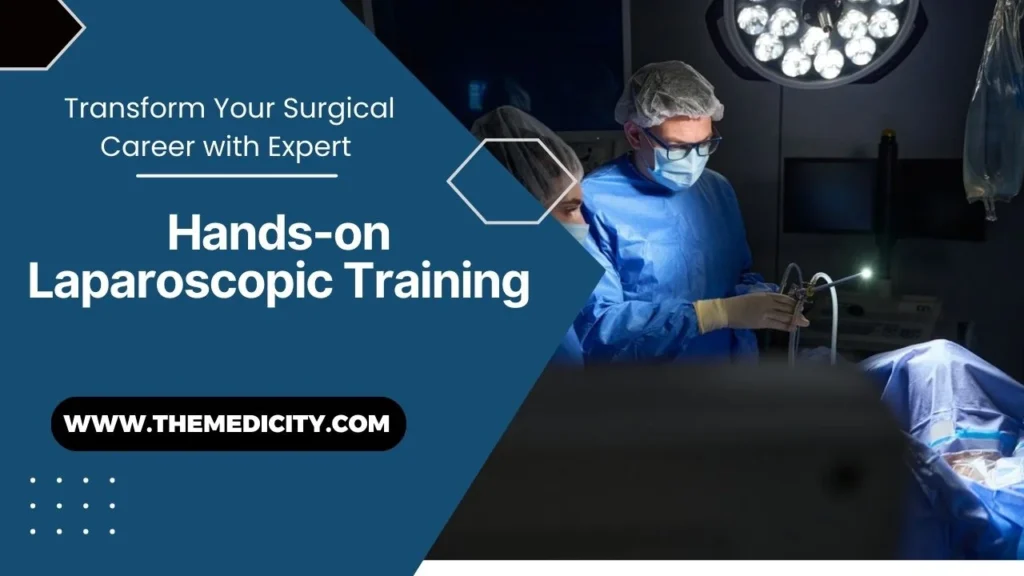
In today’s fast-evolving medical landscape, a successful surgical career is defined not only by knowledge but also by advanced technical proficiency. As healthcare embraces minimally invasive procedures, surgeons must constantly upgrade their skills to stay relevant and effective. One of the most transformative shifts in modern surgery is the widespread adoption of laparoscopy—a technique that demands precision, practice, and specialized training.
Laparoscopy, often referred to as keyhole surgery, offers immense advantages over traditional open procedures, including reduced recovery time, minimal scarring, and lower complication rates. These benefits have led to a surge in demand for laparoscopic procedures across various specialties, from general surgery to gynecology and urology. As this demand grows, so does the need for well-trained professionals who can perform these complex techniques with confidence.
This is where hands-on laparoscopic training becomes a game-changer. Unlike theoretical learning or observational methods, hands-on training allows surgeons to practice in simulated or supervised environments, building real competence and confidence. It bridges the gap between knowledge and execution—essential for surgical excellence.
India has emerged as a hub for world-class laparoscopic training, offering aspiring and practicing surgeons access to affordable, structured, and globally recognized programs. With expert guidance and cutting-edge infrastructure, these programs are shaping the next generation of minimally invasive specialists.
Get course schedule
How can we help you?
Contact us for information at +918686582020
Why Laparoscopic Skills are Essential for Modern Surgeons
Surgical techniques have evolved dramatically over the past few decades. Traditional open surgeries, once the standard, are now increasingly replaced by minimally invasive procedures like laparoscopy. This shift is driven by advancements in technology and the growing demand for safer, quicker, and more patient-friendly surgical outcomes.
Laparoscopic surgery offers numerous benefits—reduced postoperative pain, shorter hospital stays, faster recovery times, and minimal scarring. As a result, both patients and healthcare providers are leaning toward laparoscopic approaches over conventional open surgeries. This rising preference has led hospitals and surgical centers to prioritize professionals who are proficient in these techniques.
In this landscape, laparoscopic skills training has become a critical component of every modern surgical career. Surgeons who invest in mastering these minimally invasive techniques not only improve patient outcomes but also gain a competitive edge in the job market. Moreover, access to advanced laparoscopic training tools has made it easier for trainees to practice safely and effectively before entering the operating room.
For aspiring and practicing surgeons alike, acquiring laparoscopic expertise is no longer optional—it’s essential. As surgical standards continue to evolve, staying updated with hands-on training and the latest tools will define success in a modern surgical career.
What is Expert Hands-on Laparoscopic Training?
Expert Hands-on Laparoscopic Training is a specialized learning approach that focuses on developing practical surgical skills through direct, supervised experience. Unlike traditional theoretical learning, this method emphasizes immersive, real-world practice using advanced laparoscopic training tools and real-time clinical exposure.
What Makes the Training “Expert” and “Hands-on”?
- Expert-led Mentorship: Training is guided by experienced laparoscopic surgeons who provide one-on-one feedback, correction, and technique refinement.
- Live OR Exposure: Trainees observe and assist in actual laparoscopic surgeries under supervision, gaining real-time insights into decision-making and surgical nuances.
- Simulation-Based Practice: High-fidelity laparoscopic simulators are used to mimic real surgical scenarios, enhancing precision, hand-eye coordination, and confidence.
Theoretical vs. Practical Learning
While theoretical knowledge provides the foundation of laparoscopic surgery, hands-on laparoscopic training bridges the gap between knowing and doing. Reading about trocar insertion or suturing techniques can't replace the tactile feedback, spatial awareness, and real-time judgment developed during practical sessions.
Importance of Laparoscopic Training Tools
Laparoscopic training tools such as box trainers, virtual simulators, and cadaveric models are essential in accelerating skill development. These tools allow repeated practice in a risk-free environment, enabling learners to master intricate maneuvers before entering the operating room.
In essence, expert hands-on laparoscopic training transforms learners into competent, confident surgeons by combining structured guidance, practical exposure, and modern technology.
Whatsapp Now Read ReviewBenefits of Hands-on Laparoscopic Training for Surgeons
In today’s evolving medical landscape, Hands-on Laparoscopic Training has become a critical asset for any surgeon aiming to elevate their surgical career. Unlike theoretical learning or observational exposure, practical training offers immersive experience in a controlled, simulated environment — resulting in rapid skill development and measurable improvements in surgical performance.
One of the most significant advantages is rapid skill acquisition and enhanced hand-eye coordination. Surgeons learn to maneuver laparoscopic instruments with precision, navigating limited spaces while viewing anatomical structures on a monitor. This repetitive, guided practice refines motor skills and spatial awareness—core abilities for mastering minimally invasive techniques.
Real-case simulations also play a crucial role in confidence building. By performing various procedures under expert supervision, surgeons gain the assurance needed to handle live operations independently and safely. This leads to a smoother transition from training labs to operating theatres.
Moreover, hands-on laparoscopic training opens the door to more complex surgical procedures, such as advanced gynecologic, urologic, and gastrointestinal surgeries. Trained surgeons are more likely to be entrusted with intricate cases, boosting their credibility and competence.
Professionally, these advanced skills offer a distinct edge in surgical hiring and promotions. Hospitals and institutions prefer candidates proficient in laparoscopic techniques, as it reflects both efficiency and a commitment to modern surgical standards.
Lastly, the impact is deeply felt by patients. Surgeons with hands-on training tend to have shorter operative times, fewer complications, and better outcomes, fostering greater patient trust and satisfaction.
In short, hands-on laparoscopic training is not just an educational advantage—it’s a decisive career investment.
Choosing the Best Laparoscopic Training Centre
Selecting the best laparoscopic training centre is a crucial step for any medical professional aiming to excel in minimally invasive surgery. With numerous options available, it’s important to evaluate a laparoscopic training institute based on specific, high-impact criteria.
- Accreditation is the first factor to consider. A certified centre ensures standardized training and compliance with global surgical education guidelines. Equally important is the faculty—look for institutions led by renowned surgeons who combine clinical excellence with teaching expertise.
- Experienced mentors not only impart technical skills but also offer career guidance and post-training support.
- Hands-on opportunities are essential in laparoscopic training. A top-tier training centre offers extensive simulation labs, animal models, or real-time operating room exposure under supervision. Additionally, patient case exposure—from basic to complex procedures—helps trainees gain confidence and readiness for real-world scenarios.
Institutes like The Medicity, for example, are frequently praised for their structured curriculum, world-class faculty, and personalized training approach. Many trainees report improved surgical outcomes and enhanced skill sets after completing programs at such institutes.
When searching for the best laparoscopic training, choose a laparoscopic training institute that prioritizes practical learning, expert mentorship, and comprehensive clinical exposure.
Spotlight on the Best Laparoscopic Training Centres
The Medicity Research Institute stands out as one of the Best Laparoscopic Training Centres in India, offering comprehensive hands-on laparoscopic training designed for surgeons, gynecologists, and urologists. Strategically located in DLF Phase 3, Gurugram, and internationally at Dubai Silicon Oasis, UAE, the institute bridges the gap between theoretical knowledge and practical surgical skills.
What truly sets The Medicity apart is its world-class infrastructure, advanced simulation labs, and live operative training under expert supervision. The institute offers a wide range of programs, including Fellowship in Minimal Access Surgery, Diploma in Laparoscopy, and Advanced Laparoscopic Training in India tailored for all experience levels.
Trainees benefit from a curriculum that emphasizes clinical exposure, precision techniques, and modern surgical approaches. The faculty comprises renowned laparoscopic surgeons and academic mentors who provide personalized guidance throughout the course. With a strong focus on career progression, The Medicity also offers placement assistance through its global network of hospitals and healthcare institutions.
Adding to its credibility, The Medicity has collaborated with various international medical boards and is recognized by prestigious healthcare and surgical organizations worldwide. These global partnerships enhance the value of its certifications and open doors for international practice.
For those looking to gain advanced skills and global recognition, The Medicity Research Institute remains a premier choice for hands-on laparoscopic training in India.
📍 Gurugram, India | 📍 Dubai, UAE
📞 +91 8686582020
Conclusion
Investing in Expert Hands-on Laparoscopic Training is more than just learning surgical techniques—it’s a transformative step toward clinical excellence and professional growth. Through immersive, real-time experience with advanced laparoscopic equipment, surgeons gain the confidence, precision, and decision-making skills required in high-stakes operating rooms.
The impact on your surgical career is profound. With hands-on training, you’re not only enhancing your skill set but also expanding your scope of practice, increasing patient trust, and opening doors to global surgical opportunities. Whether you’re a recent postgraduate or a seasoned surgeon looking to specialize, structured laparoscopy training ensures you’re aligned with the latest industry standards.
Now is the time to take charge of your future. Enroll in a reputed Laparoscopic Training Institute that offers comprehensive hands-on experience, expert mentorship, and internationally recognized certification. Your journey to surgical mastery starts with the right training—make the move today and elevate your career to the next level.

Frequently Asked Questions
There is no strict limit to how many times laparoscopy can be done, as long as the patient is healthy and suitable for surgery. However, repeated procedures may increase the risk of scar tissue or adhesions.
Yes, laparoscopic surgeries are generally safe to repeat if necessary. Surgeons evaluate the patient's condition, recovery, and any complications before deciding how many times laparoscopy can be done safely.
Yes, hands-on laparoscopic training is safe when done under expert supervision. It helps learners gain real-time surgical experience while ensuring patient safety through strict monitoring and guidance by experienced instructors.
The ideal duration for laparoscopic training varies from 1 week to 3 months. Comprehensive courses that include theory and hands-on practice give the best exposure to essential laparoscopic skills for long-term surgical success.
Laparoscopic training builds precision, confidence, and technique in minimally invasive surgery. It prepares surgeons for real-world procedures by combining theoretical knowledge with hands-on experience using laparoscopic instruments and equipment.