

Basic Laparoscopic Training Course for Beginner
Laparoscopy, also known as minimally invasive surgery, has revolutionized modern surgical practices by offering patients quicker recovery times, smaller incisions, and reduced risk of infection. This technique is utilized in various medical fields, including urology, gynecology, and general surgery. It involves the use of a small camera (laparoscope) and specialized instruments to perform surgery through tiny incisions. As a result, laparoscopy has become the preferred method for numerous procedures, making it crucial for medical professionals to gain expertise in this technique.
Mastering basic laparoscopic skills is essential for building a strong foundation in surgery. For beginners, learning the core skills such as handling instruments, suturing techniques, and understanding camera control are pivotal to gaining proficiency and confidence in the operating room. A solid grasp of these fundamental skills is not only essential for performing laparoscopic surgeries but also for progressing to more advanced procedures.
This article will provide an overview of a Basic Laparoscopic Training Course for Beginners, focusing on key aspects such as the importance of initial training, core skills taught in the course, and how mastering these techniques can enhance your surgical expertise.
Get course schedule
How can we help you?
Contact us for information at +918686582020
Understanding the Basics of Laparoscopy
Laparoscopy, often referred to as minimally invasive surgery, is a modern surgical technique that involves small incisions through which a camera and specialized instruments are inserted into the body. This technique was first introduced in the early 20th century, but it gained significant traction in the 1980s with advancements in technology. Unlike traditional open surgery, laparoscopy allows surgeons to perform operations with minimal disruption to surrounding tissues, offering faster recovery times and reduced risk of complications.
One of the key advantages of laparoscopic surgery over open surgery is its ability to minimize patient trauma. The small incisions used in laparoscopy result in less bleeding, reduced infection rates, and shorter hospital stays. Additionally, patients typically experience less post-operative pain and can return to their normal activities much sooner than with open surgery. These benefits have made laparoscopy the preferred approach for a wide range of procedures.
Common procedures performed using laparoscopy include gallbladder removal (cholecystectomy), appendectomy, hernia repair, and gynecological surgeries such as hysterectomy. These procedures are all made possible due to the precision and visualization offered by laparoscopic tools, which give surgeons a clearer view of the operating area.
For beginners in the field of surgery, mastering the basics of laparoscopy is crucial for surgical success. A strong foundation in this technique not only enhances patient outcomes but also improves the surgeon’s confidence and skill in more complex procedures. Understanding how to properly handle the instruments and interpret the visual cues provided by the laparoscope is key to performing surgeries effectively and safely.
Why Enroll in a Basic Laparoscopic Training Course?
Enrolling in a Basic Laparoscopic Training Course is a crucial step for beginners looking to bridge the gap between theoretical knowledge and practical surgical skills. While medical education provides foundational knowledge, hands-on experience is vital for mastering laparoscopic techniques. This course offers a unique opportunity to practice in a controlled environment, ensuring that new surgeons gain the confidence to perform minimally invasive surgeries effectively.
Patient safety is always a top priority in surgery. Laparoscopic procedures require precision, careful handling of instruments, and awareness of anatomy to minimize complications. By participating in a basic laparoscopic training course, surgeons can hone these skills, which are essential to ensuring patient safety during surgeries. This hands-on training significantly reduces the risk of errors when performing actual surgeries.
Furthermore, formal laparoscopic surgery training courses provide a competitive edge in the medical field. Surgeons with specialized laparoscopic skills are in high demand, as the demand for minimally invasive surgery continues to grow. Completing a recognized training program can open doors to advanced career opportunities, making surgeons more attractive candidates for prestigious hospitals or private practice settings. These courses not only help develop surgical expertise but also enhance the overall efficiency of surgical procedures, ultimately benefiting both the patient and the surgeon’s career.
This structured training equips surgeons with the knowledge and confidence needed to advance their practice, ensuring long-term success in laparoscopic surgery.
What to Expect in a Basic Laparoscopic Training Course
A Basic Laparoscopic Training Course for Beginners is designed to provide foundational skills for those new to laparoscopic surgery. This hands-on, structured course is essential for medical professionals who wish to excel in minimally invasive procedures. Here’s what you can expect from such a course:
- Core Skills Taught:
The course covers vital laparoscopic techniques, including:- Camera Handling: Learn how to manage the laparoscope for clear and steady visualization during procedures.
- Instrument Navigation: Gain proficiency in using various laparoscopic tools for precision and control in a confined space.
- Suturing and Knot Tying: Master the techniques for suturing and knot tying, which are critical for closing incisions in laparoscopic surgery.
- Camera Handling: Learn how to manage the laparoscope for clear and steady visualization during procedures.
- Introduction to Laparoscopic Instruments and Ergonomics:
Participants will familiarize themselves with the essential instruments used in laparoscopy. Ergonomics training is crucial for minimizing strain during procedures, ensuring long-term comfort and performance. - Simulation Training:
Simulation-based learning is integral to this course. Trainees will engage in:- Virtual Reality (VR): Experience lifelike simulations to practice techniques in a risk-free environment.
- Dry Lab: Perform tasks on models to develop hand-eye coordination and familiarity with instruments.
- Animal Lab: Gain practical experience in a controlled setting, enhancing skills with real-life application.
- Virtual Reality (VR): Experience lifelike simulations to practice techniques in a risk-free environment.
- Hands-on Workshops and Supervised Procedures:
The course includes workshops that allow learners to perform supervised laparoscopic procedures, providing a supportive environment to build confidence and competence. - Assessment and Certification Process:
At the end of the course, participants undergo assessments to evaluate their proficiency. Upon successful completion, they receive certification, validating their newly acquired skills in laparoscopic surgery.
A Basic Laparoscopic Training Course is an essential step for anyone looking to advance their skills in modern surgical practices, providing the foundation needed to perform minimally invasive surgeries effectively.
Whatsapp Now Read ReviewKey Components of Basic Laparoscopic Skills Development
Laparoscopic surgery, often referred to as minimally invasive surgery, requires specialized skills to ensure optimal patient outcomes. For beginners, mastering key components is essential to building a strong foundation in laparoscopic surgery. These components not only enhance the technical capabilities of the surgeon but also promote patient safety. Here’s a closer look at the key skills involved:
- Hand-Eye Coordination and Depth Perception
One of the fundamental skills in laparoscopic surgery is hand-eye coordination. Unlike traditional open surgery, laparoscopic surgery is performed through small incisions with the help of a camera, which can distort depth perception. Surgeons must learn to operate instruments without directly viewing the operative field, relying on video feeds from the laparoscope. Developing good hand-eye coordination allows the surgeon to perform precise movements and effectively navigate within the body’s interior. - Instrument Triangulation
Triangulation refers to the ability to maneuver two or more instruments within the body at different angles to create a working triangle. This technique is essential for performing laparoscopic procedures efficiently and safely. For beginners, practicing instrument triangulation is critical to avoid tissue damage and to achieve optimal outcomes during procedures like suturing or dissecting. - Tissue Handling and Energy Devices
Proper tissue handling is crucial to prevent unnecessary injury and bleeding during laparoscopic procedures. Surgeons need to be trained in how to grasp, manipulate, and cut tissues gently. Additionally, energy devices such as cautery and lasers are frequently used in laparoscopic surgery to coagulate or cut tissues. Understanding the safe and effective use of these devices is vital for maintaining safety and achieving desired surgical results. - Learning Safe Entry Techniques
The initial step in any laparoscopic procedure is safely accessing the abdominal cavity. A safe entry technique minimizes the risk of injury to vital organs or blood vessels. Beginners must master various entry techniques, such as the Veress needle or optical trocar method, to safely establish a pneumoperitoneum (inflated abdomen) and gain access to the surgical site. - Managing Common Laparoscopic Complications
As with any surgical approach, laparoscopic procedures are not without risks. Surgeons must be trained to identify and manage common laparoscopic complications, including gas embolism, bowel injury, or trocar-related bleeding. Developing the ability to recognize these issues early and take appropriate action is crucial for ensuring patient safety and achieving successful outcomes.
In summary, the development of key laparoscopic skills, from hand-eye coordination to managing complications, is essential for beginners. Mastering these skills provides a solid foundation for advanced laparoscopic procedures and promotes safe and effective patient care.
How to Choose the Best Laparoscopic Surgery Training Course
Choosing the right laparoscopic surgery training course is crucial for developing essential skills and gaining expertise in minimally invasive techniques. When evaluating courses, several factors should guide your decision-making process.
Accreditation and Certification
Ensure that the course is accredited by a reputable medical board or institution. Accredited programs offer quality assurance and recognition, which is important for both professional development and career advancement. Certification from a recognized body can significantly enhance your credibility as a laparoscopic surgeon.
Faculty Experience and Mentoring Support
Experienced faculty members play a key role in your learning journey. Look for courses that offer direct mentorship from skilled professionals with substantial hands-on experience in laparoscopic surgery. The opportunity to learn from seasoned surgeons can provide invaluable insights and guidance throughout your training.
Facilities (Labs, Simulators, Live Surgery Exposure)
The quality of training facilities, such as modern laparoscopic simulators and well-equipped labs, directly impacts the effectiveness of your course. Some programs also offer exposure to live surgeries, which allows you to observe real-world applications of laparoscopic techniques in various scenarios, enhancing your learning experience.
Reviews, Alumni Feedback, and Career Support
Before enrolling, check reviews and testimonials from past students. Positive alumni feedback can indicate the course’s effectiveness in preparing you for a successful career. Additionally, career support services can help with job placements and further professional development, making them a valuable aspect of your training program.
By considering these factors, you can select a laparoscopic surgery training course that best suits your educational and career goals.
Tips for Beginners: How to Maximize Your Training
Starting your journey in laparoscopic surgery can be both exciting and challenging. To get the most out of your Basic Laparoscopic Training Course, it’s important to prepare ahead and practice consistently. Here’s how you can make the most of your training:
- Pre-Course Preparation: Before the course begins, take time to read relevant literature and watch laparoscopic surgeries. This will give you an understanding of the procedures and help you familiarize yourself with the terminology and techniques. Reviewing the human anatomy is also essential to visualize the surgical process better during training.
- Practice Consistently Outside of Training Hours: Laparoscopy requires a steady hand and excellent coordination. Practice on simulators, practice models, or even at home with available tools to reinforce your skills. The more you practice, the more comfortable you’ll become with the instruments and techniques.
- Ask Questions and Seek Feedback: During the course, don’t hesitate to ask questions. Engage with instructors and fellow trainees to clarify doubts and gain insights. Actively seeking feedback will help you identify areas for improvement and allow you to fine-tune your technique.
- Continuous Practice Post-Course: Mastery in laparoscopic surgery comes with continuous practice. After completing the course, keep honing your skills, either through additional training, attending workshops, or collaborating with experienced surgeons. Never stop learning, as regular practice ensures long-term improvement and proficiency.
By following these tips, you’ll maximize the benefits of your training and build a solid foundation for becoming a proficient laparoscopic surgeon.
Conclusion
In conclusion, a strong foundation in basic laparoscopic training is essential for anyone aspiring to become a skilled laparoscopic surgeon. The techniques learned during this phase form the bedrock upon which more advanced procedures will be built. From mastering basic instruments to understanding the principles of visualization and ergonomics, this training ensures you are well-prepared to face the challenges of laparoscopic surgery. By focusing on these critical skills, you will gain the confidence and precision needed to perform more complex surgeries in the future.
Investing time and effort in a basic laparoscopic course is an invaluable step in your surgical career. The hands-on experience and expert guidance will help refine your technique and foster the skills necessary for surgical success. Remember, mastering the basics is the first step toward becoming a highly competent laparoscopic surgeon who can deliver optimal patient outcomes.
Take the first step today—enroll in a basic laparoscopic training course and begin your journey toward becoming a proficient laparoscopic surgeon. Your dedication to learning today will shape your surgical expertise for years to come.
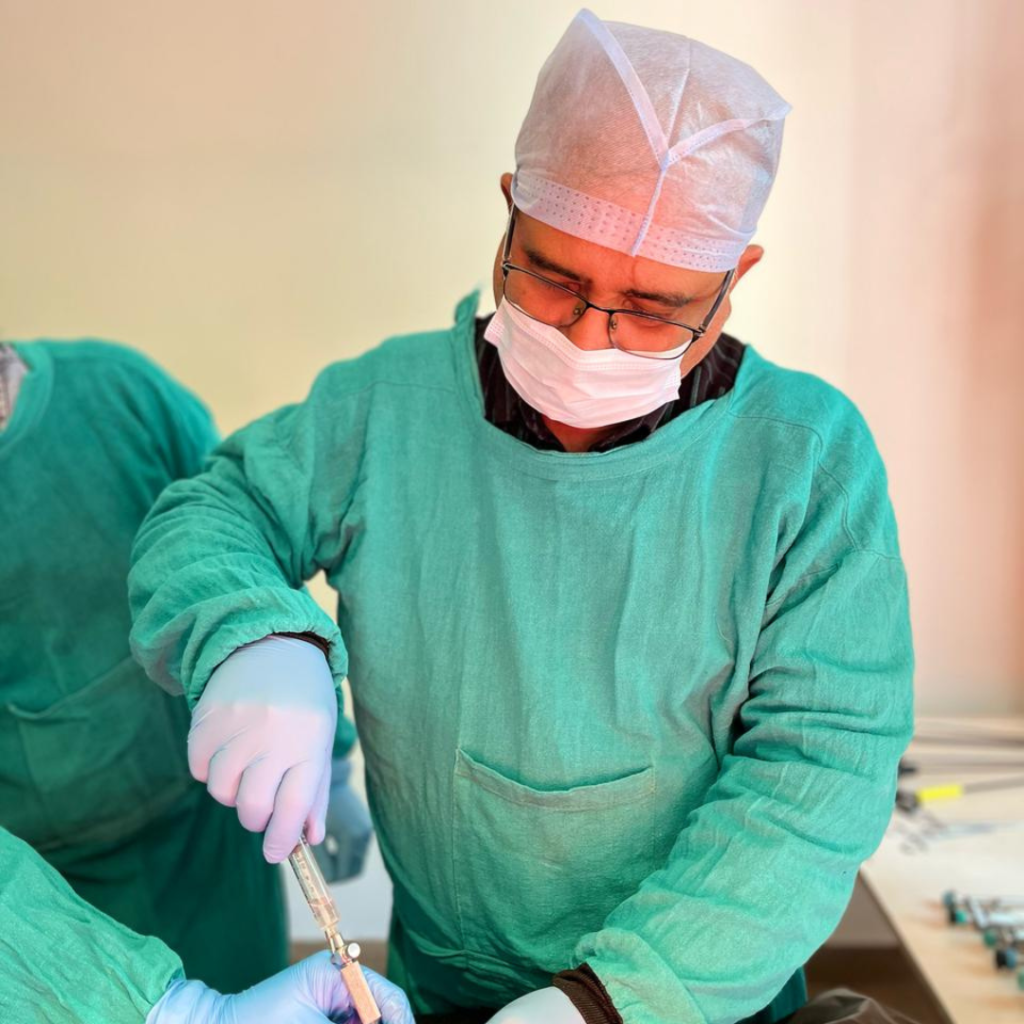
Frequently Asked Questions
The Basic Training Course (BTC) in laparoscopy teaches fundamental surgical techniques, instrument handling, and safe entry methods, essential for beginners entering minimally invasive surgery.
Basic laparoscopic skills include camera navigation, instrument coordination, tissue dissection, suturing, and safe trocar placement to perform minimally invasive procedures efficiently and safely.
A basic laparoscopic training course typically takes 3 to 5 days, covering both theoretical knowledge and hands-on practice under expert supervision.
Medical graduates (MBBS) or postgraduates in surgery, gynecology, or urology are eligible to enroll in a basic laparoscopic training course to enhance surgical skills.
There are mainly two types of laparoscopy: diagnostic laparoscopy, used for examination, and operative laparoscopy, used to treat surgical conditions minimally invasively.
The cost of a basic laparoscopy training course typically ranges from INR 50,000 to INR 1,50,000, depending on the institute, duration, and hands-on exposure.