

Comprehensive Guide to Laparoscopic Training in India: Courses, Institutes, and Career Paths
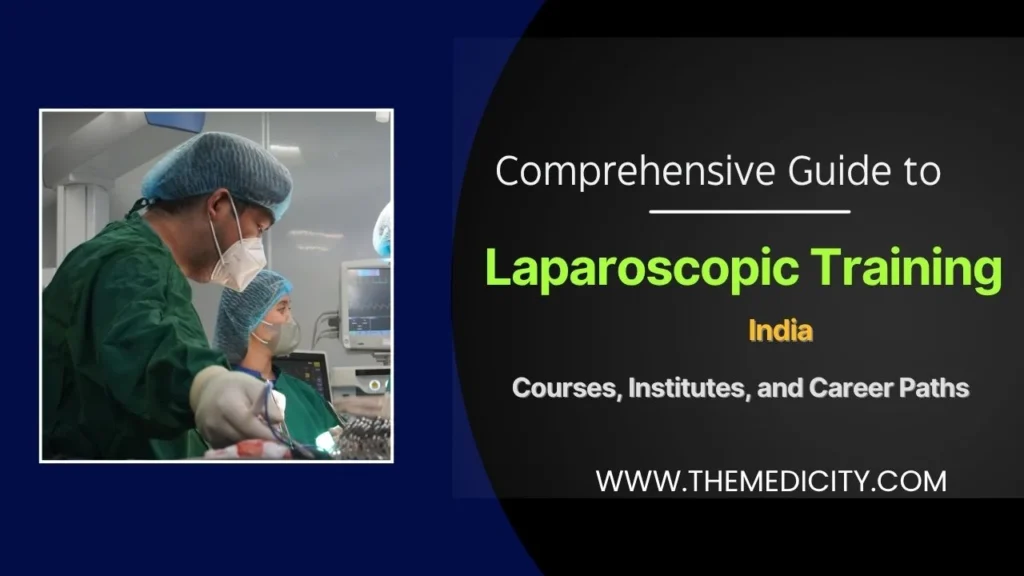
Laparoscopic surgery, also known as minimally invasive surgery, has revolutionized modern medicine by offering patients quicker recovery times, less pain, and reduced scarring compared to traditional open surgery. This advanced surgical technique uses small incisions and specialized instruments, including a laparoscope—a thin tube with a camera—to perform complex procedures with precision. As healthcare continues to evolve globally, the demand for skilled laparoscopic surgeons is rapidly increasing.
In India, the healthcare sector is witnessing significant growth, with a rising emphasis on adopting minimally invasive techniques across specialties such as general surgery, gynecology, urology, and gastroenterology. Consequently, laparoscopic training has become a crucial part of medical education and professional development for aspiring surgeons. Comprehensive training equips doctors with the necessary skills to enhance patient outcomes and stay competitive in this dynamic medical landscape.
This guide provides an in-depth overview of laparoscopic training in India, highlighting key courses, leading training institutes, and promising career paths. Whether you are a medical student, practicing surgeon, or healthcare professional, this resource will help you navigate the options and plan your career in laparoscopic surgery effectively.
Get course schedule
How can we help you?
Contact us for information at +918686582020
What is Laparoscopic Surgery?
Laparoscopic surgery, also known as minimally invasive surgery, is a modern surgical technique that uses small incisions and specialized instruments to perform procedures inside the abdomen or pelvis. Unlike traditional open surgery, which requires large cuts to access the surgical site, laparoscopic surgery involves tiny incisions through which a laparoscope—a thin, flexible tube with a camera—and surgical tools are inserted. The camera projects real-time images onto a monitor, allowing surgeons to operate with precision.
The fundamental principle of laparoscopic surgery is to minimize tissue trauma and reduce the patient’s recovery time. This approach offers significant advantages over conventional open surgery. Patients typically experience less pain, lower risk of infection, minimal scarring, and shorter hospital stays. Additionally, quicker recovery allows individuals to resume normal activities sooner, making laparoscopic surgery an increasingly preferred option in many medical fields.
Common laparoscopic procedures include gallbladder removal (cholecystectomy), appendectomy, hernia repair, and various gynecological and urological surgeries. With advances in laparoscopic technology and training, even complex surgeries such as colorectal and bariatric operations are performed using this minimally invasive method.
For medical professionals, specialized laparoscopic training is essential to master the skills required for these delicate procedures. Understanding the benefits of laparoscopic surgery encourages adoption of this technique, ultimately improving patient outcomes and enhancing surgical expertise.
Importance of Laparoscopic Training in India
In recent years, the demand for minimally invasive surgeries has surged significantly across India. Laparoscopic procedures, known for their precision and reduced recovery times, have become the preferred choice for both patients and healthcare providers. This growing trend highlights the crucial need for comprehensive laparoscopic training in India to equip surgeons with the advanced skills required for these complex techniques.
Laparoscopic training centres in India are expanding rapidly, offering hands-on courses and fellowship programs tailored to enhance surgeons’ expertise. These programs not only improve technical proficiency but also provide exposure to the latest surgical technologies. For surgeons, this specialized training is a vital stepping stone for career advancement, allowing them to stay competitive in an evolving medical landscape.
Beyond individual growth, skilled laparoscopic surgeons contribute to significantly better patient outcomes. Minimally invasive surgeries reduce complications, lower infection risks, and shorten hospital stays, thereby improving overall healthcare quality. By investing in dedicated laparoscopic training, India is strengthening its healthcare system to meet international standards.
In summary, the increasing emphasis on laparoscopic training in India is a response to the growing demand for minimally invasive surgery. It plays a pivotal role in enhancing surgeon skills, advancing careers, and most importantly, delivering safer and more effective patient care.
Whatsapp Now Read ReviewHow to Become a Laparoscopic Surgeon in India
Becoming a laparoscopic surgeon in India requires a solid educational foundation and specialized training. The journey begins with completing an MBBS degree, which is the basic medical qualification. Afterward, aspiring surgeons must pursue postgraduate surgical training, typically an MS (Master of Surgery) in General Surgery, to gain comprehensive knowledge of surgical principles and techniques.
However, the key to excelling in laparoscopic surgery lies in hands-on training. Laparoscopy is a minimally invasive technique that demands precise skills and practice, which are best acquired through dedicated laparoscopic training centers in India. Postgraduate training alone does not equip surgeons with the finesse needed for laparoscopic procedures, making additional hands-on courses essential.
To officially qualify as a laparoscopic surgeon, obtaining certifications and fellowships from recognized surgical bodies is important. Organizations such as the Indian Association of Gastrointestinal Endo Surgeons (IAGES) offer fellowship programs that provide advanced laparoscopic training and validate a surgeon’s expertise. These credentials not only enhance knowledge but also boost career opportunities in hospitals and specialized surgical centers.
For aspiring surgeons, choosing the right training course and institute is crucial. Look for programs with extensive practical exposure, experienced faculty, and access to modern laparoscopic equipment. Institutes affiliated with reputed universities and recognized by surgical societies tend to offer better training quality and certification value.
In summary, the path to becoming a laparoscopic surgeon in India involves:
- Completing MBBS and MS General Surgery
- Enrolling in hands-on laparoscopic training programs
- Earning fellowships or certifications from reputed bodies
- Carefully selecting the right training center to gain expert skills
By following these steps, young surgeons can master laparoscopic techniques and build successful careers in this evolving field.
Types of Laparoscopic Training Courses Available in India
India has become a prominent hub for laparoscopic training, attracting medical professionals from across the country and abroad. Various types of laparoscopic training courses are available, catering to different skill levels and career goals. Understanding these options can help aspiring surgeons choose the best program to enhance their expertise.
- Short-term Certificate Courses
Short-term certificate courses are designed for practicing surgeons or postgraduates who want to gain foundational laparoscopic skills quickly. Typically lasting from a few days to a few weeks, these courses focus on basic laparoscopic techniques, instrument handling, and patient safety. Many laparoscopic training centres in India offer such programs to provide practical exposure and build confidence in minimally invasive surgery. - Fellowship Programs (National and International Collaborations)
Fellowships represent advanced, comprehensive laparoscopic training programs, often spanning six months to two years. India hosts several prestigious fellowship programs in collaboration with national and international institutions. These fellowships provide in-depth surgical training, research opportunities, and exposure to complex laparoscopic procedures. Completing a fellowship significantly boosts a surgeon’s qualifications and career prospects in minimally invasive surgery. - Workshops and Hands-on Training Programs
Workshops are short-duration training sessions, usually lasting 1-5 days, emphasizing hands-on practice under expert supervision. These are ideal for skill refinement in specific laparoscopic techniques like gynecologic laparoscopy or urology laparoscopy. Many top laparoscopic training centres in India conduct regular workshops featuring live demonstrations and simulation-based training to ensure practical learning. - Online vs Offline Laparoscopic Training Options
With advancements in digital learning, many institutions now offer online laparoscopic training modules. These virtual courses include video lectures, case discussions, and interactive sessions. While online training provides theoretical knowledge and flexibility, offline or in-person courses remain essential for hands-on surgical skill development. Many surgeons prefer hybrid models combining both to gain comprehensive laparoscopic expertise.
Best Laparoscopic Training Centres in India
Laparoscopic surgery is a critical skill for modern surgeons, and India boasts some of the best laparoscopic training centres to help medical professionals master this technique. Among these, The Medicity Research Institute stands out as a premier hands-on laparoscopic training centre. Located in DLF Phase 3, Gurugram, The Medicity Research Institute offers comprehensive courses, including specialized fellowships designed to provide practical exposure and in-depth knowledge. For more details, interested candidates can contact them at 8686582020.
What makes the best laparoscopic training centres in India unique is their emphasis on hands-on practice, which allows trainees to gain real surgical experience under expert supervision. These centres provide extensive patient exposure, enabling surgeons to handle diverse cases and improve their decision-making skills in live scenarios.
Additionally, the use of modern equipment and advanced laparoscopic instruments ensures that trainees learn with the latest technology, preparing them for contemporary surgical challenges. This combination of expert guidance, practical training, and state-of-the-art facilities makes these centres ideal for urologists, gynecologists, and general surgeons seeking to enhance their laparoscopic skills.
If you are searching for laparoscopic training centres in India, choosing a centre like The Medicity Research Institute guarantees high-quality education and valuable clinical experience that can significantly boost your surgical career.
Career Paths After Laparoscopic Training
Completing laparoscopic training opens up a wide range of career opportunities for surgeons in India. Some of the prominent career paths include:
- Clinical Practice in Hospitals and Surgical Centers:
Many laparoscopically trained surgeons find rewarding jobs in government and private hospitals, specialty surgical centers, and multispecialty clinics where minimally invasive procedures are in high demand. - Private Practice:
With advanced laparoscopic skills, surgeons can establish their own practice, offering high-quality minimally invasive surgeries. This helps meet growing patient demand for quicker recovery and reduced hospital stays. - Academic and Research Roles:
Surgeons interested in teaching and advancing the field can pursue academic positions in medical colleges or research institutions. They contribute by training the next generation of surgeons and conducting innovative laparoscopic surgery research. - Further Specialization:
Laparoscopic training serves as a foundation for subspecialty fellowships such as bariatric surgery, colorectal surgery, urology, or gynecology. This allows surgeons to focus on niche areas with advanced laparoscopic techniques. - Entrepreneurship and Center Setup:
Experienced surgeons can venture into entrepreneurship by setting up dedicated laparoscopic surgery centers or minimally invasive surgery units, expanding access to advanced surgical care.
In India, laparoscopic training significantly enhances a surgeon’s career prospects, combining clinical expertise with technological advancement to meet modern healthcare needs.
Challenges and Future Trends in Laparoscopic Training in India
Common Challenges Trainees Face:
- High Cost of Training: Advanced laparoscopic equipment and courses can be expensive, limiting access for many aspiring surgeons.
- Limited Access to Advanced Technology: Many training centers lack state-of-the-art simulators and robotic systems, affecting hands-on learning.
- Inadequate Infrastructure: Some institutes have outdated facilities, reducing the quality of practical exposure.
- Shortage of Skilled Trainers: Experienced laparoscopic surgeons are limited, impacting mentorship opportunities.
- Regional Disparities: Urban centers have better facilities compared to rural areas, creating uneven training opportunities.
Emerging Trends in Laparoscopic Training:
- Robotic Surgery Integration: Increasing adoption of robotic-assisted laparoscopic procedures enhances precision and outcomes.
- Virtual Reality (VR) Training Modules: VR simulators provide risk-free, realistic practice environments improving surgical skills.
- Simulation-Based Learning: Enhanced use of simulators is bridging the gap between theory and practice.
- Tele-mentoring and Online Workshops: Remote training and webinars expand reach and accessibility.
Government & Private Sector Initiatives:
- Government programs are promoting laparoscopic skill development through subsidized courses and accreditation.
- Private hospitals and institutes are investing in advanced training centers and collaborations with international experts.
Conclusion
Laparoscopic training in India plays a pivotal role in advancing surgical expertise and improving patient outcomes. As minimally invasive techniques become the standard of care, gaining specialized laparoscopic skills is essential for surgeons seeking to stay competitive and deliver high-quality care.
Pursuing dedicated laparoscopic education not only enhances surgical precision but also opens doors to rewarding career opportunities in urology, gynecology, and other surgical fields. Aspiring surgeons are encouraged to explore reputed research institutes and accredited training centers offering comprehensive laparoscopic courses.
Staying updated with the latest innovations and hands-on training will ensure continuous growth and excellence in this dynamic field. Take the step today to invest in your surgical future and make a significant impact on patient care through laparoscopic mastery.

Frequently Asked Questions
Laparoscopic training in India equips surgeons with minimally invasive surgical skills using small incisions and cameras. It’s important for faster patient recovery, fewer complications, and advancing modern surgical techniques in hospitals across India.
To become a laparoscopic surgeon in India, first complete an MBBS degree, then pursue an MS (General Surgery) or equivalent. After that, enroll in specialized laparoscopic training courses or fellowships at reputed centers for hands-on experience.
Top laparoscopic training centres in India include AIIMS Delhi, Apollo Hospitals, Max Healthcare, and specialized institutes like the Indian Association of Gastrointestinal Endo Surgeons (IAGES). These centers offer comprehensive courses with experienced faculty and advanced facilities.
Laparoscopic training courses in India vary from short-term workshops to advanced fellowship programs. These cover basic to complex procedures in general surgery, gynecology, urology, and more, focusing on practical skills and theoretical knowledge.
Laparoscopic training can lead to careers as minimally invasive surgeons, consultants in multi-specialty hospitals, academicians, or researchers. Skilled laparoscopic surgeons are in demand in both public and private sectors, enhancing patient care and surgical outcomes.