

Advanced Endoscopy Fellowship Program: A Comprehensive Guide to Training, Duration, and Career Scope
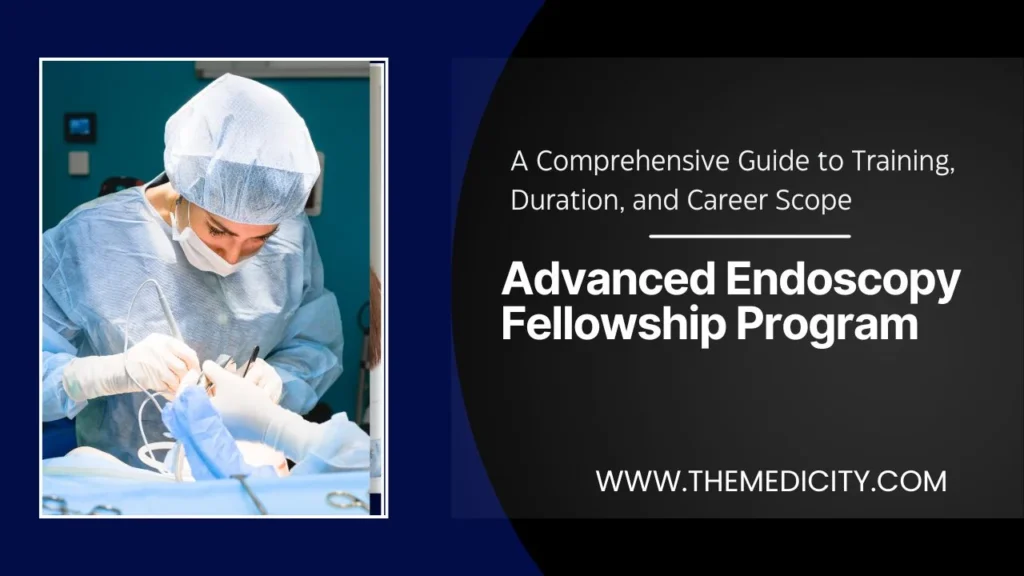
In today’s evolving landscape of minimally invasive medicine, the importance of specialized training cannot be overstated—especially when it comes to endoscopic procedures. As medical technologies and surgical techniques continue to advance, healthcare professionals must stay at the forefront of innovation to provide optimal patient care. This is where the advanced endoscopy fellowship program plays a pivotal role.
Designed for physicians seeking to deepen their knowledge and refine their technical skills, an endoscopy fellowship program training offers hands-on experience in diagnostic and therapeutic procedures that go beyond the scope of basic training. These programs are essential for mastering complex techniques, such as interventional endoscopy, therapeutic EUS (endoscopic ultrasound), and advanced ERCP (endoscopic retrograde cholangiopancreatography).
One of the most sought-after niches within this field is endoscopic skull base surgery—a highly specialized area that demands precision, experience, and extensive training. With the growing global demand for minimally invasive treatments, hospitals and surgical centers are increasingly looking for experts who have undergone focused fellowships in advanced endoscopy.
Whether you’re a gastroenterologist, ENT surgeon, or neurosurgeon, completing an advanced endoscopy fellowship program can significantly expand your career opportunities while enhancing patient outcomes. In this guide, we’ll explore everything you need to know—from training modules and duration to career scope and specialization options.
Get course schedule
How can we help you?
Contact us for information at +918686582020
What is an Advanced Endoscopy Fellowship Program?
An Advanced Endoscopy Fellowship Program is a highly specialized, post-residency training pathway designed for gastroenterologists aiming to develop expertise in complex diagnostic and therapeutic endoscopic procedures. Unlike standard endoscopy training during residency or general gastroenterology fellowships, advanced endoscopy fellowships provide hands-on exposure to intricate techniques such as Endoscopic Ultrasound (EUS), Endoscopic Retrograde Cholangiopancreatography (ERCP), and third-space endoscopy (like POEM and ESD).
The primary objective of these fellowships is to enhance precision, safety, and efficiency in managing gastrointestinal disorders using minimally invasive techniques. Trainees gain proficiency not only in high-level procedural skills but also in interpreting advanced imaging, handling complications, and integrating emerging technologies such as artificial intelligence-assisted endoscopy.
It’s important to distinguish this program from an endodontic fellowship, which is a dental subspecialty focused on root canal therapies and other procedures related to dental pulp. Although the terms may sound similar, advanced endoscopy belongs to the field of gastroenterology, not dentistry. This distinction is crucial, especially for medical professionals exploring subspecialties in post-graduate education.
The Advanced Endoscopy Fellowship typically spans 12 months and is offered at major academic and tertiary care centers. The program prepares candidates for careers in academic medicine, specialized private practice, and leadership roles in endoscopy units.
With the increasing demand for minimally invasive GI interventions, this fellowship opens doors to exciting career opportunities and plays a pivotal role in elevating the standards of gastrointestinal care.
Core Curriculum and Training Modules
The endoscopy fellowship program training is meticulously structured to provide comprehensive exposure to both foundational and advanced clinical skills. The curriculum is designed to equip fellows with expertise in diagnostic and therapeutic endoscopic procedures, ensuring competence in managing a wide spectrum of gastrointestinal conditions.
During the initial phase of advanced endoscopy fellowship programs, trainees develop core competencies in upper and lower GI endoscopy, including polypectomy, hemostasis techniques, foreign body removal, and dilation procedures. As the training progresses, fellows gain hands-on experience in advanced techniques such as Endoscopic Retrograde Cholangiopancreatography (ERCP), Endoscopic Ultrasound (EUS), and emerging third-space endoscopy methods like Peroral Endoscopic Myotomy (POEM) and Submucosal Tunneling Endoscopic Resection (STER).
One of the distinctive features of these programs is the inclusion of specialized tracks such as endoscopic skull base surgery fellowship options. These modules focus on multidisciplinary collaboration, combining the expertise of gastroenterologists, otolaryngologists, and neurosurgeons to address complex skull base pathologies through minimally invasive endoscopic approaches.
Training is delivered through a blend of simulation-based education, live case demonstrations, and supervised clinical practice. Fellows participate in hands-on labs using state-of-the-art endoscopic equipment, ensuring skill refinement in a controlled environment before transitioning to patient care. Additionally, structured academic sessions, journal clubs, and research opportunities reinforce evidence-based practice and critical thinking.
By integrating clinical practice, advanced procedural exposure, and academic learning, the endoscopy fellowship program training ensures that graduates are not only proficient but also prepared to lead innovations in endoscopic care. These advanced endoscopy fellowship programs serve as a vital step for physicians aiming to elevate their expertise and expand their career horizons in gastroenterology and minimally invasive interventions.
Whatsapp Now Read ReviewProgram Duration and Structure
The typical endoscopy fellowship program duration spans one year, offering an intensive blend of clinical training, procedural exposure, and academic learning. Designed to equip physicians with advanced endoscopic skills, the fellowship is structured to ensure a progressive build-up from foundational techniques to complex interventional procedures.
Most programs follow a well-organized weekly or monthly curriculum that combines hands-on clinical rotations, supervised endoscopic procedures, didactic lectures, and research opportunities. Fellows may rotate across various specialties such as gastroenterology, hepatology, and surgical endoscopy, ensuring a broad yet focused exposure. A typical week might include procedural sessions in the endoscopy suite, outpatient consultations, inpatient care, and academic conferences.
While the core structure remains consistent across institutions, there is flexibility depending on the program’s focus—some may emphasize therapeutic endoscopy, while others prioritize research or a multispecialty approach. This variability allows fellows to tailor their training based on career goals and clinical interests.
Ultimately, the one-year endoscopy fellowship program duration provides a robust foundation for a successful career in advanced endoscopy. Choosing a program with a well-structured and diverse training model ensures both technical proficiency and clinical confidence in managing complex gastrointestinal conditions.
Fellowship Admission Requirements
Admission to an Advanced Endoscopy Fellowship Program is competitive and designed for physicians committed to excelling in minimally invasive diagnostic and therapeutic procedures. Eligibility typically includes candidates who are board-certified or board-eligible in gastroenterology, general surgery, or ENT (otorhinolaryngology), depending on the subspecialty focus of the fellowship.
Applicants must have completed a residency or postgraduate training in a recognized institution and should demonstrate substantial hands-on experience in basic endoscopic techniques. Those with prior exposure to interventional endoscopy, such as ERCP or EUS, are often given preference.
Academic prerequisites include a valid MBBS or MD degree (or international equivalent), along with a specialization in gastroenterology, surgical gastroenterology, or otolaryngology. A strong academic record and letters of recommendation from mentors or supervisors familiar with the candidate’s clinical capabilities are essential.
Most programs require applicants to pass a written exam and undergo a structured interview. The interview evaluates not only clinical knowledge but also communication skills, decision-making ability, and motivation to pursue a career in advanced endoscopy.
Prospective fellows must also submit a well-crafted personal statement, outlining their career goals and how the fellowship aligns with their professional development. This ensures a strong fit between the candidate and the program, both academically and clinically.
Costs and Funding Opportunities
The Advanced Endoscopy Fellowship Program is a prestigious pathway for medical professionals aiming to specialize in cutting-edge diagnostic and therapeutic endoscopic procedures. Designed for gastroenterologists and surgeons, this fellowship provides intensive hands-on training in advanced techniques such as ERCP, EUS, and third-space endoscopy.
Duration and Training
Typically spanning 12 to 24 months, the program includes structured clinical exposure, didactic sessions, and supervised procedures. Fellows gain real-time experience in endoscopic ultrasound, mucosal resection, and management of complex GI cases, making them proficient in both technical and clinical aspects.
Career Scope
Upon completion, candidates are well-positioned for high-demand roles in hospitals, research centers, and academic institutions. Advanced endoscopy specialists are among the most sought-after experts globally, with expanding opportunities in minimally invasive and robotic-assisted interventions.
Costs and Funding Opportunities
- Average Endoscopy Fellowship Program Cost: Varies from $15,000 to more.
- Variation by Country and Institution:
- USA/UK: Higher tuition and living costs
- India/Asia: More affordable with quality training
- USA/UK: Higher tuition and living costs
- Scholarships and Stipends: Offered by select universities and teaching hospitals.
- Self-Funded Options: Available with flexible installment plans.
The Medicity Research Institute: Advanced Laparoscopic Training in India
Recognized as one of the best hands-on laparoscopic training centers in India, The Medicity Research Institute offers structured fellowships in laparoscopic and endoscopic surgery. Its state-of-the-art facilities, expert faculty, and internationally aligned curriculum make it a top choice for advanced endoscopy and urogynecology training.
Career Prospects After Fellowship
Completing an Endoscopy Fellowship Program opens up a wide range of career opportunities in various medical settings. Graduates of an endoscopy fellowship program are highly sought after by hospitals, teaching institutions, and private practices due to their specialized skills. In hospitals, fellows can take on roles as senior consultants, performing complex endoscopic procedures and mentoring junior staff. For those interested in academia, teaching institutions provide opportunities to educate the next generation of medical professionals while conducting groundbreaking research.
One of the key benefits of completing an Endoscopy Fellowship is the potential for a significant increase in income. Specialists in advanced endoscopy are in high demand, and their expertise is often compensated with higher salaries, especially when working in private practice or high-volume medical centers.
Additionally, an advanced fellowship program offers international recognition, allowing fellows to expand their career mobility. With the expertise gained during the fellowship, individuals can practice globally, taking on prestigious roles in internationally recognized hospitals and clinics. The demand for highly skilled endoscopists continues to rise, and those with advanced training are well-positioned to enjoy both professional fulfillment and lucrative career prospects.
Best Institutes Offering Endoscopy Fellowships
Endoscopy fellowships provide invaluable expertise and hands-on training for medical professionals looking to specialize in minimally invasive surgical techniques. Several prestigious institutes across the globe offer comprehensive programs for advanced training.
In India, The Medicity Research Institute stands out as one of the best centers for advanced laparoscopic and endoscopic training. The institute provides a range of fellowship programs, including advanced laparoscopic surgery and endoscopic procedures. Their hands-on training approach equips surgeons with the skills necessary for complex procedures in both general surgery and subspecialties like urology and gynecology.
In the USA, renowned programs such as those at Johns Hopkins University and Cleveland Clinic offer fellowships in advanced endoscopy, including specialized areas like gastrointestinal endoscopy and endoscopic skull base surgery. These institutes provide comprehensive training with access to state-of-the-art technology and expert faculty, making them ideal for those aiming to excel in this field.
Similarly, the UK offers excellent training programs at institutions like University College London and Royal College of Surgeons, which focus on advanced endoscopic procedures, including laparoscopic surgeries and minimally invasive diagnostic techniques.
To provide a broader perspective, endodontic fellowship programs, such as those offered by Harvard University or University of Southern California, offer training in advanced root canal procedures and can be compared to endoscopy fellowships in terms of specialized training and techniques, although they focus on dental rather than surgical fields.
These fellowship programs are key to honing skills and gaining in-depth knowledge, helping professionals enhance their careers in the evolving field of endoscopy.
Final Thoughts & Takeaway
Advanced Endoscopy Fellowship programs offer invaluable opportunities for medical professionals looking to specialize in cutting-edge diagnostic and therapeutic techniques. These fellowships provide extensive hands-on training in advanced endoscopic procedures, including laparoscopic, thoracoscopic, and colonoscopic techniques. Physicians gain proficiency in minimally invasive surgeries, significantly enhancing their ability to provide efficient care with reduced recovery times for patients.
The comprehensive nature of the program, typically spanning 1 to 2 years, allows fellows to master complex procedures and improve patient outcomes. Graduates emerge with the expertise needed to excel in high-demand specialties, such as gastroenterology, urology, and surgical oncology, with many continuing to build a rewarding career in academic medicine, clinical practice, or even leadership roles.
In conclusion, pursuing an Advanced Endoscopy Fellowship not only refines technical skills but also opens doors to various career paths within the medical field. With the increasing reliance on minimally invasive procedures, this fellowship offers a solid foundation for future success, empowering specialists to stay ahead in the ever-evolving healthcare landscape.
Frequently Asked Questions
An advanced endoscopy fellowship is specialized training in complex endoscopic procedures, including therapeutic techniques for gastrointestinal conditions, offered after completing a basic gastroenterology fellowship.
Typically lasting 1-2 years, an advanced endoscopy fellowship provides in-depth training in cutting-edge endoscopic procedures, allowing fellows to gain expertise in complex GI interventions.
To enter a GI fellowship, one must complete an accredited internal medicine residency, followed by a competitive application process, including board exams, recommendations, and personal statements.
Endoscopy refers to basic diagnostic procedures for viewing the gastrointestinal tract, while advanced endoscopy involves complex, therapeutic procedures such as polypectomy, dilation, and stenting for GI disorders.
I
Yes, an advanced endoscopy fellowship is valuable for those seeking expertise in specialized gastrointestinal procedures, providing career advancement opportunities and the ability to treat complex GI conditions effectively.