

A Complete Guide to Finding the Best Hands-On Laparoscopic Training Centre

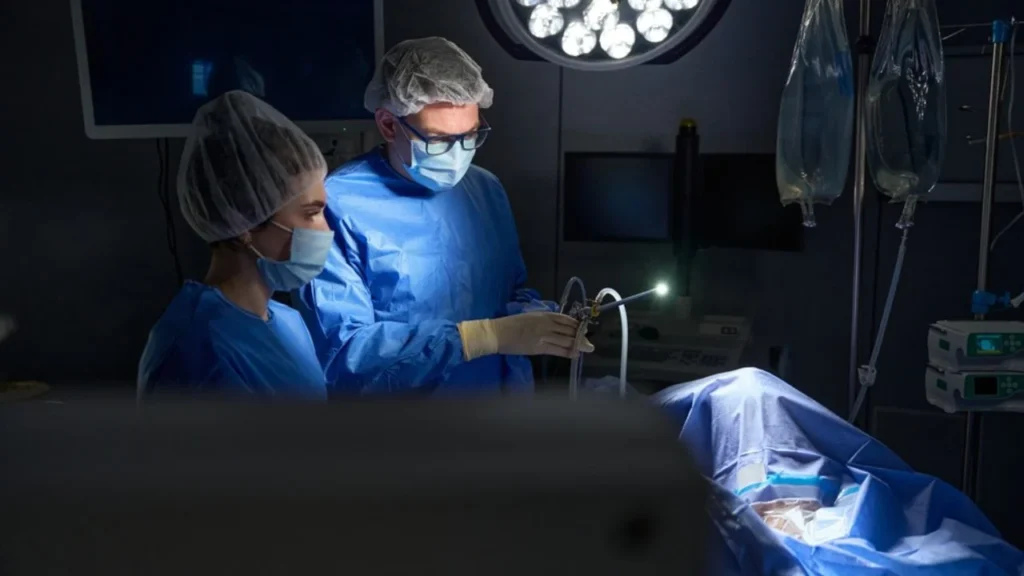
Laparoscopic Training Centre
Laparoscopic surgery has become a game-changer in the world of medicine. With smaller incisions, faster recovery times, and minimal scarring, it's easy to see why it’s the go-to approach for so many surgical procedures today. But here’s the thing — learning laparoscopy isn’t something you can just pick up from a book or a YouTube video.
If you're serious about becoming skilled in this field, hands-on training is where the real learning happens. Watching videos and reading theory can only take you so far. You need to actually do it — feel the tools in your hands, understand the movements, and build that crucial muscle memory. This guide will help you figure out exactly what to look for in a laparoscopic training centre, what to avoid, and how to make the best decision for your career.
And if you're considering training in India, we’ll also touch on a strong option to check out — The Medicity in Gurgaon, which has earned a solid reputation for balancing infrastructure and guided, practical learning.
Get course schedule
How can we help you?
Contact us for information at +918686582020
So, What Is Laparoscopic Surgery Really About?
Laparoscopic (or “keyhole”) surgery involves small incisions and the use of a laparoscope — a camera-equipped device that lets surgeons see inside the body on a screen. Instead of the traditional open surgery approach, this technique uses long, thin tools to perform operations with minimal disruption to surrounding tissue.
To get good at this, you’ll need more than just knowledge. You’ll need:
- Quick hand-eye coordination
- Strong spatial awareness (since everything is seen on a 2D screen)
- Steady hands and fine motor control
- The ability to think clearly under pressure
All of this comes with real-world practice. That’s why hands-on training isn’t just useful — it’s absolutely essential.
What Makes a Good Laparoscopic Training Centre?
There are a few non-negotiables when it comes to choosing a Centre. Here’s what you should be looking for:
a) Accreditation and Certification
Make sure the centre is recognized by a credible medical board or professional body. This is about more than just a stamp on a certificate — it tells you that the curriculum, teaching standards, and safety protocols are legit.
Plus, having a certificate from a respected institute can open doors. Whether you’re applying for hospital jobs, looking at international programs, or just wanting to boost your professional profile, that recognition matters.
b) Quality of Faculty and Mentorship
A great teacher can make all the difference. Look for instructors who are not just experienced, but actively working in the field. They should be people who’ve done these procedures hundreds (if not thousands) of times and know how to explain techniques clearly.
Bonus points if they offer mentorship after the course too. Being able to reach out for advice once you're back in the OR is incredibly valuable.
c) Structure of the Curriculum
A good program doesn’t just throw you into a simulator and call it a day. It should gradually build your skills and confidence.
Ideally, you want:
- Daily hands-on practice
- Access to simulation labs and dry labs
- Exposure to live surgeries or high-quality recordings
- Modules on suturing, energy devices, port placement, and more
Basically, it should feel like a journey — starting with the basics and working your way up to more complex tasks.
d) Equipment and Training Tools
The tech matters. You want to train on equipment that mirrors what you’ll actually be using in real surgeries. Ask about:
- High-definition laparoscopic towers
- Box trainers and virtual simulators
- Wet labs (using animal tissue or synthetic models)
And here’s something a lot of people forget to ask — what’s the student-to-equipment ratio? If there are too many trainees per station, your hands-on time is going to suffer.
Whatsapp NowWhy Hands-On Experience Is Everything
There’s a huge difference between watching someone do a laparoscopic procedure and actually performing one yourself. The way you hold the instruments, the angles, the force you apply — all of that can only be learned by doing.
Hands-on practice is where your brain and body start working together. That’s when it starts to feel natural.
One participant once shared that he couldn’t get port positioning right during his first two days. But with repeated drills and close feedback from the mentor, he had it down by the end of the week — and was even suturing confidently. That’s what happens when structured practice meets good guidance.
What About Online Training? Is It Worth It?
Online learning definitely has its place — especially for theory. If you’re looking to brush up on anatomy, understand procedural steps, or learn about complication management, online platforms can be really helpful.
But when it comes to motor skills? Nothing beats being there in person. Feeling the instruments, getting immediate feedback, and seeing how your posture or grip affects performance — you just can’t replicate that virtually.
Some centres offer hybrid programs with online theory and in-person practicals. These can work well as long as the hands-on component is thorough and well-organized.
Red Flags to Watch Out For
Not all training centres are created equal. Here are some warning signs that should make you think twice:
- No hands-on sessions or very limited practice time
- Overcrowded classes where personal attention is impossible
- Old or poorly maintained equipment
- Unclear course outcomes or vague promises
- Hesitation to show photos of the facility or connect you with alumni
If a centre won’t let you talk to someone who’s done the course or refuses to give you a tour, it’s probably best to keep looking.
How to Research and Shortlist the Best Centres
Here’s how to do your homework:
- Start with reviews — Google, Facebook, and medical forums are great places to hear what past students are saying.
- Watch video testimonials. Written ones are okay, but video gives you a better sense of whether it’s authentic.
- Ask for a virtual or in-person tour. A good centre will be happy to show you around.
- Come prepared with smart questions:
- How many hours of hands-on practice will I get?
- What kinds of tools and models will I be using?
- What’s the student-to-instructor ratio?
- Is there help with job placements or further training?
- How many hours of hands-on practice will I get?
Also, look out for free webinars or Q&A sessions. These are great opportunities to get a feel for the faculty and teaching style before committing.
A Quick Look at The Medicity (Gurgaon, India)
If you’re looking in India, The Medicity is worth checking out. It’s known for:
- Small batch sizes (so you’re not fighting for hands-on time)
- A solid mix of theory and practicals
- Access to high-end tools and simulators
- Great post-course mentorship and alumni support
Their programs are structured, and the faculty includes seasoned laparoscopic surgeons who actively practice and teach.
Final Thoughts
Investing in quality laparoscopic training can truly shape your surgical career. Don’t settle for courses that promise shortcuts or give you more lectures than lab time. Look for a centre that focuses on hands-on skill-building, offers personalized mentorship, and gives you access to modern tools.
If you’re planning to take this next step, do your research, ask the right questions, and choose a place that genuinely invests in your growth as a surgeon. It’s not just about getting a certificate — it’s about becoming confident, competent, and prepared for real-world surgical challenges.
Frequently Asked Questions
Courses are usually led by experienced surgeons who’ve been in the field for years and also have a knack for teaching.
At a good centre, you should be getting at least 2 to 4 hours of hands-on training per day, often across simulators, dry labs, and tissue models.
Fees usually range from ₹50,000 to ₹2,00,000 depending on the course length, location, and facilities offered.
Expect HD laparoscopic towers, endotrainers, VR simulators, and wet lab stations with realistic tissue or synthetic materials.
Reputed institutes do. You might get continued mentorship, access to alumni groups, updates on new procedures, and even help with job placement.