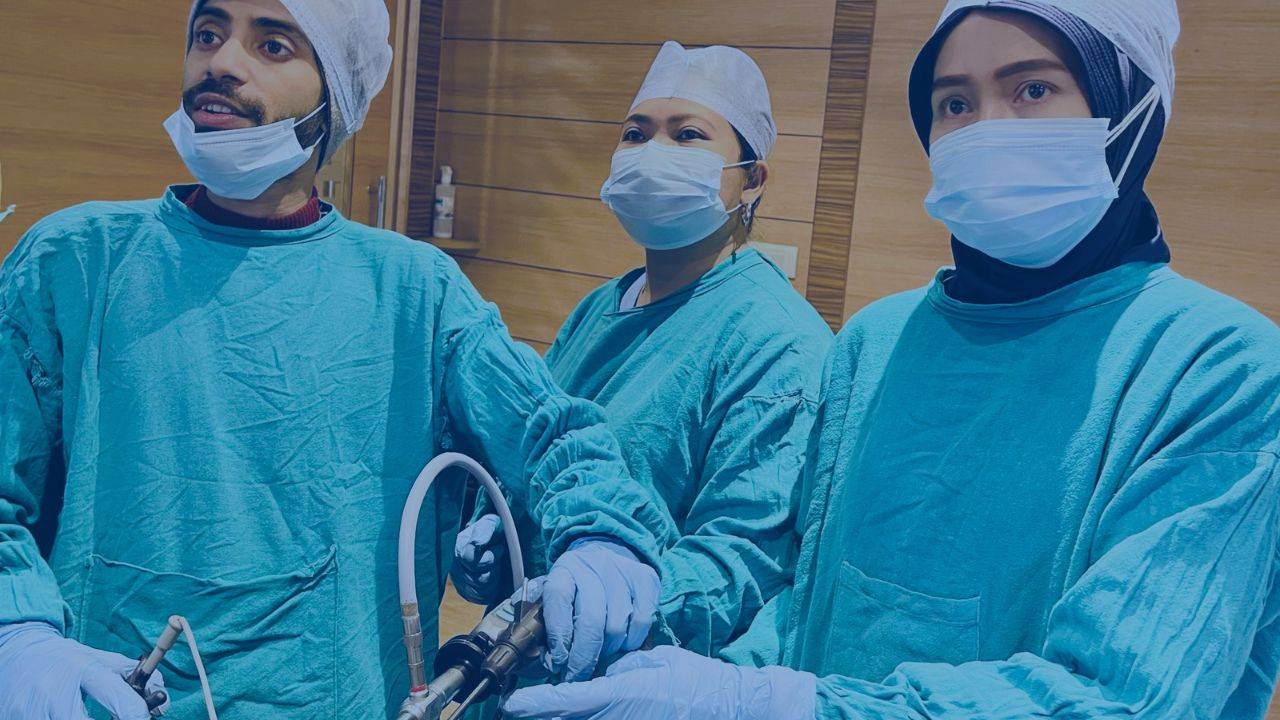
The rigorous necessity for proper instrument care profoundly impacts patient safety in laparoscopic procedures by preventing infection, mitigating catastrophic thermal injuries, and ensuring the precise mechanical function of specialized tools
The impact of strict instrument care and maintenance on patient safety can be seen in three critical areas:
1. Preventing Thermal and Electrical Injuries
Many laparoscopic procedures rely on electrosurgery (diathermy) to cut and coagulate tissues using high-frequency electrical current
The required rigorous care is vital because faults in these specialized instruments can lead to severe, unseen thermal injury to the patient
• Risk of Insulation Failure: A critical safety concern stems from the fact that approximately 95% of the active electrode portion of a laparoscopic instrument is outside of the surgeon’s field of view If the insulation covering (often silicone or plastic) of the outer sheath is compromised—even by a pinhole breach—electrical charge can escape and burn non-targeted viscera like the bowel
• Causes and Consequences of Burns: Insulation failure can result from normal wear and tear, stress from high voltage, sterilizing the instrument alongside sharp objects, or rubbing within the patient’s body
These unintentional thermal burns can lead to severe complications, including:
◦ Perforations in organs (causing leakage and contamination)
◦ Haemorrhages
◦ Serious post-operative complications or death
• Delayed Symptoms: A particular danger is that symptoms from internal injuries caused by stray burns may be delayed until after the patient has been discharged, making later diagnosis very difficult
• The Necessity of Inspection: Due to these risks, electrosurgical cables, instruments, and accessories must be inspected carefully each time before use to ensure patient safety and trouble-free operation It takes less than two minutes to test an electrosurgical instrument for insulation integrity
2. Ensuring Sterility and Preventing Infection
Laparoscopic instruments and equipment that contact the patient, directly or indirectly, must be sterile Proper care ensures that instruments are free from microbial contaminants and residual tissue debris, thereby minimizing the risk of infection
• Timeliness in Cleaning: The rigorous necessity begins immediately after the procedure is finished Cleaning must start as soon as possible because proteins in blood and other tissue, such as fibrin, can dry and cake onto internal and external surfaces, making thorough decontamination difficult or impossible
• Cleaning Process: It is recommended to minimize the time instruments spend between leaving the surgical field and entering the cleaning process Instruments should be immediately placed in a basin of enzymatic cleaning solution, not just covered with a wet cloth Lumens in laparoscopic instruments must be flushed to remove gross debris
• Instrument Design for Cleaning: Modern laparoscopic tools are often designed to be modular, with detachable components (insert, sheath, handle) to facilitate complete disassembly, which is essential for efficient cleaning and decontamination
• Sterilization Method: Steam autoclave is considered one of the most reliable methods of sterilization, although chemical solutions like Glutaraldehyde are also used (which may cause corrosion, particularly to the camera)
• Following Instructions: To ensure patient safety, both cleaning and sterilization must be performed strictly according to the manufacturers’ written instructions (IFU), as these instructions are required for FDA 510K approval
• Reusable vs. Disposable: Reusable instruments require meticulous sterilization after each use Although disposable instruments offer reduced risk of disease transmission due to certified factory sterilization, their quality might be questionable if they are improperly re-sterilized (e.g., by dipping in glutaraldehyde, as they are often not dismountable for proper cleaning)
3. Maintaining Mechanical and Optical Integrity
Proper care ensures that the instruments function as intended, maximizing the surgeon’s precision and reducing unintended trauma to internal structures
• Handling Delicate Equipment: Laparoscopic cameras and optics are expensive and vulnerable to damage Telescopes, in particular, are easily chipped and bent, necessitating that they be introduced gently through the cannula Improper handling (such as bending cables or running over them with trolleys) must be avoided
• Trocar Maintenance: Reusable cannulae/trocars require care and maintenance of their valve systems and safety shield mechanisms The sharp tip of the trocars may require resharpening or replacement to maintain function and integrity
• Ensuring Visual Clarity: Care for the optics contributes directly to patient safety by ensuring enhanced visualization Techniques like using camera drapes alleviate the need for sterilization and protect the camera, thereby prolonging its life Maintaining a clear view is crucial, as dark surfaces like blood absorb light and compromise visualization The ability to suction and irrigate fluids efficiently (which depends on functional devices) is essential to maintain a clear visual field for the surgeon
By strictly adhering to these maintenance and sterilization requirements, hospitals directly reduce the incidence of complications like infection and electrical burns, thereby improving patient outcomes and overall safety during minimally invasive laparoscopic procedures