

Everything You Need to Know About the Diploma in Minimal Access Surgery
Minimal Access Surgery (MAS), often referred to as minimally invasive surgery, is a modern surgical technique that allows procedures to be performed through small incisions using specialized instruments and cameras. Unlike traditional open surgery, MAS minimizes trauma to the body, reduces postoperative pain, and significantly shortens recovery time. This innovative approach is rapidly becoming the standard across various surgical specialties due to its enhanced precision and patient-centered benefits.
As healthcare evolves, the emphasis is shifting toward skill-based surgical training. Theoretical knowledge alone is no longer sufficient in today’s operating rooms. Surgeons must be proficient in advanced techniques that improve outcomes while minimizing complications. This is where structured programs like the Diploma in Minimal Access Surgery play a crucial role.
The Diploma in Minimal Access Surgery is a specialized postgraduate course designed to equip medical professionals with hands-on expertise in laparoscopic and other minimally invasive techniques. Combining academic rigor with intensive clinical training, this diploma prepares surgeons to confidently perform complex procedures with minimal disruption to the patient.
With the growing adoption of MAS across hospitals and surgical centers worldwide, the demand for trained professionals is higher than ever. Earning a diploma in this field not only enhances clinical competence but also opens new doors in terms of career advancement, international opportunities, and patient trust.
Get course schedule
How can we help you?
Contact us for information at +918686582020
What is Minimal Access Surgery?
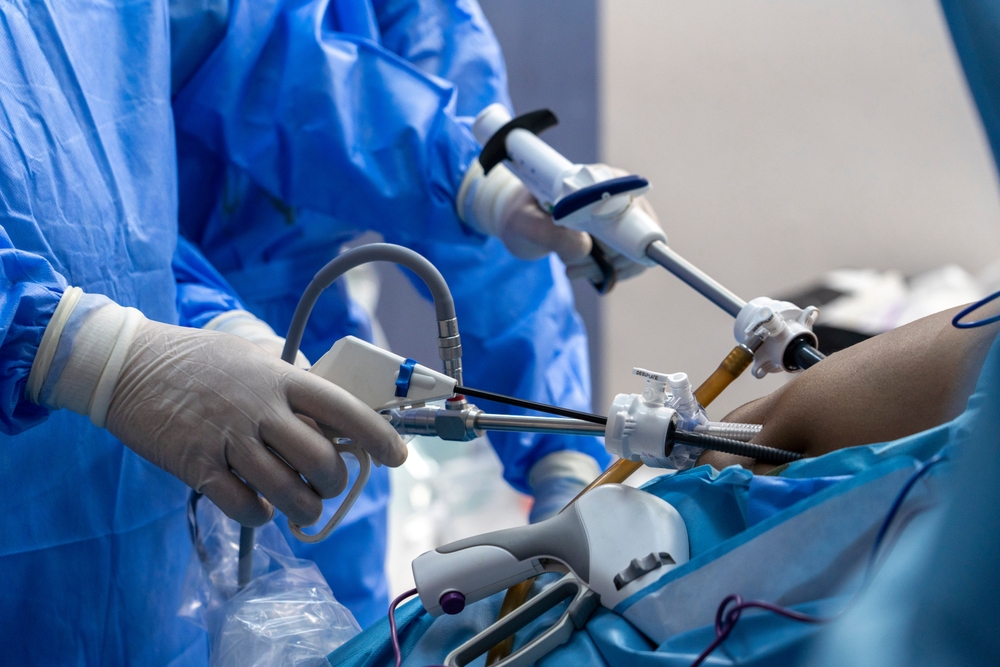
Minimal access surgery, also known as minimally invasive surgery, is a modern surgical technique that uses small incisions, specialized instruments, and advanced technology to perform procedures with minimal damage to surrounding tissues. The most common forms include laparoscopy and endoscopy, where a tiny camera and instruments are inserted through keyhole-sized openings.
The minimal access surgery definition contrasts sharply with traditional open surgery, which typically requires larger incisions and longer recovery times. Unlike open surgery, minimal access techniques reduce trauma, bleeding, and the risk of infection.
Patients benefit significantly from minimal access surgery. These procedures usually result in less post-operative pain, shorter hospital stays, faster recovery, and minimal scarring. Surgeons also gain improved visibility and precision thanks to high-definition cameras and advanced instruments.
Overall, minimal access surgery represents a major advancement in surgical care, offering a safer, faster, and more effective alternative to conventional methods.
Why Pursue a Diploma in Minimal Access Surgery?
In today’s evolving healthcare landscape, acquiring advanced surgical skills is essential for professional growth. A diploma in minimal access surgery equips surgeons with specialized knowledge and hands-on training in minimally invasive techniques, making them more competent and confident in the operating room. This specialized training not only enhances surgical precision but also improves patient outcomes with reduced recovery time, smaller incisions, and fewer complications.
Undertaking a minimal access surgery course is a strategic move for medical professionals aiming to stay ahead in surgical specialties like gynecology, urology, and general surgery. The diploma program typically combines theoretical knowledge with extensive hands-on experience, often through simulation labs and live surgical workshops. This practical approach ensures surgeons gain real-time exposure to laparoscopic procedures under expert mentorship.
Moreover, a diploma in minimal access surgery significantly boosts career prospects. Many hospitals and healthcare systems around the world now require formal training in minimal access techniques as part of their hiring or credentialing criteria. This qualification not only enhances your resume but also opens doors to international opportunities, fellowships, and leadership roles in surgical departments.
By enrolling in a minimal access surgery course, medical professionals demonstrate their commitment to continuous learning and excellence in patient care—key attributes in today’s competitive medical environment.
Whatsapp Now Read ReviewCurriculum Overview of the Diploma Program
The Diploma in Minimal Access Surgery Training Program is meticulously designed to equip surgeons with advanced skills in laparoscopic and endoscopic procedures. This comprehensive curriculum blends theoretical knowledge with hands-on practical exposure, ensuring a holistic learning experience for aspiring specialists.
Theoretical Modules
The academic component of the program covers core concepts in minimal access surgery, including surgical anatomy, instrumentation, patient safety, energy sources, and perioperative care. Lectures and case-based discussions are led by experienced faculty, providing a strong foundation in evidence-based surgical principles and recent technological advancements.
Practical Training
A major highlight of the minimal access surgery certificate training is its emphasis on hands-on experience. Participants engage in structured sessions using high-fidelity laparoscopic simulators and dry labs to master port placement, suturing, and tissue dissection techniques. In addition, live surgical demonstrations and cadaveric workshops offer real-time exposure to procedures under expert supervision, reinforcing confidence and skill accuracy.
Evaluation Methods and Certification
Progress is assessed through a combination of written tests, skill evaluations on simulators, and clinical performance during live surgeries. Successful candidates are awarded a Minimal Access Surgery Certificate Training credential, recognized by leading surgical bodies and medical institutions.
Duration and Eligibility Criteria
The duration of the program typically ranges from 4 to 12 weeks, depending on the intensity and level of training. It is open to licensed medical professionals with a background in general surgery, gynecology, or urology who are seeking to enhance their expertise in minimal access surgery.
Where to Enroll: Top Institutes Offering This Diploma
Choosing the right institution is key to gaining hands-on expertise in laparoscopic and minimal access surgery. Among the most reputed names is The Medicity Research Institute, recognized as one of the best hands-on laparoscopic training centers in India. Located in DLF Phase 3, Gurugram, and with an international campus in Dubai Silicon Oasis, UAE, Medicity offers a wide array of advanced courses. These include fellowships in laparoscopic surgery, endoscopy, hysteroscopy, and urogynaecology. The institute is known for its state-of-the-art infrastructure, live surgical exposure, and faculty comprising globally acclaimed surgeons.
Another premier destination is the Institute of Medical and Minimal Access Surgery Training. Renowned for its commitment to excellence, it provides a structured minimal access surgery course designed to equip surgeons with the latest skills in laparoscopy and endoscopy. The institute emphasizes evidence-based learning, simulation labs, and supervised hands-on training, making it an ideal choice for aspiring specialists.
Both institutions boast accreditation and global recognition, ensuring that the certification holds value both in India and internationally. For medical professionals looking to advance their careers in minimally invasive surgery, these institutes offer the perfect blend of academic rigor, practical exposure, and global standards.
Hands-On Experience & Training Methodology
A well-structured minimal access surgery training program is defined not just by theory, but by immersive hands-on experience. At the heart of this approach are cadaver labs, advanced surgical simulators, and live case observations. These elements provide a safe and controlled environment for trainees to practice and refine their skills before transitioning to real-world procedures.
Cadaver labs allow trainees to gain tactile familiarity with human anatomy, replicating the challenges of real surgeries. High-fidelity simulators further enhance this learning by offering realistic scenarios to develop precision and hand-eye coordination essential for minimal access surgery. Additionally, observing live cases performed by seasoned surgeons gives trainees invaluable exposure to real-time decision-making and surgical flow.
All practical sessions are conducted under the close supervision of expert surgeons. Their guidance ensures that each trainee learns correct techniques, avoids common pitfalls, and gains confidence in executing advanced procedures. This mentorship is a cornerstone of high-quality surgical education.
Peer learning is also emphasized through collaborative clinical workshops. These sessions encourage discussion, knowledge sharing, and skill-building in a team-oriented setting.
Together, this multifaceted methodology bridges the gap between theoretical knowledge and surgical excellence, preparing participants to confidently handle the demands of modern minimal access surgery.
Career Scope After the Diploma
Completing a diploma in minimal access surgery opens up a wide range of promising career opportunities. Graduates are highly sought after in hospitals, surgical centers, and specialty clinics where the demand for minimally invasive procedures is steadily growing. This specialized skill set enables surgeons to perform complex surgeries with reduced recovery times and fewer complications, making them valuable assets in both public and private healthcare institutions.
Many candidates also explore international placements and fellowships, especially in countries with advanced laparoscopic programs. These opportunities not only enhance surgical expertise but also offer global exposure and career advancement.
Moreover, minimal access surgery certificate training equips professionals to establish their own private practice or consultancy services. With increasing patient preference for minimally invasive techniques, private setups focused on laparoscopy are becoming more viable and profitable. Surgeons can also collaborate with diagnostic centers and outpatient clinics to expand their reach and services.
Overall, the diploma provides a solid foundation for a successful and flexible career path in modern surgical practice.
How to Choose the Right Training Institute
Choosing the right institute for a minimal access surgery course is a critical step in advancing your surgical career. Start by ensuring the institute holds proper accreditation and is recognized by relevant medical authorities. A well-accredited program guarantees that the training meets industry standards and is valued globally.
Equally important is the faculty—look for experienced surgeons who are actively practicing and involved in research. Their mentorship can make a significant difference in your learning experience. Check the infrastructure, including modern simulation labs, laparoscopic equipment, and operating room setups that mirror real-world conditions.
A top-quality institute of medical and minimal access surgery training will also emphasize hands-on exposure, allowing you to perform procedures under expert supervision. Before enrolling, explore reviews, talk to past students, and look at alumni success stories. Institutes that offer ongoing career support, such as placement assistance or international affiliations, can provide a strong professional advantage.
Making an informed choice ensures you receive comprehensive training that truly prepares you for a successful career in minimally invasive surgery.
Conclusion
In conclusion, enrolling in a diploma in minimal access surgery offers countless benefits, from enhancing surgical skills to providing a deeper understanding of advanced surgical techniques. A minimal access surgery training program equips professionals with the expertise required to perform complex procedures with greater precision and fewer complications, ultimately improving patient outcomes. Whether you’re looking to elevate your career or specialize in minimally invasive techniques, this program is a stepping stone toward becoming a leader in the medical field.
We encourage you to enroll in a reputed institute that offers comprehensive training and certifications. Investing in your education will not only enhance your skills but also open doors to new career opportunities. Explore a variety of minimal access surgery training programs today and take the next step toward advancing your career in the dynamic field of surgery.
Your journey to becoming an expert in minimal access surgery starts here. Take action now, and unlock your full potential.
Frequently Asked Questions
A Diploma in Minimal Access Surgery is a specialized course designed for surgeons and gynecologists seeking advanced laparoscopic skills. It’s ideal for medical professionals aiming to enhance minimally invasive surgery techniques and clinical expertise.
The duration typically ranges from 2 weeks to 3 months depending on the institute and program intensity. Hands-on laparoscopic training is usually included to ensure skill development in real-time surgical settings.
Yes, most reputed diplomas in Minimal Access Surgery are recognized by medical councils or affiliated with international bodies, adding value to your surgical credentials both in India and globally.
Candidates must hold an MBBS or MS/MD degree. Surgeons, gynecologists, and urologists with interest in laparoscopic procedures are typically eligible to apply for this advanced surgical training program.
Graduates gain enhanced laparoscopic skills, leading to better job opportunities in multispecialty hospitals, teaching institutions, or private practice. It significantly boosts your profile in the field of minimally invasive surgery.