

Unleash Your Surgical Potential: Fellowship & Diploma in Minimal Access Surgery
In the ever-evolving field of surgery, precision, innovation, and efficiency are vital. Minimal Access Surgery (MAS)—also known as minimally invasive surgery—is a technique that allows surgeons to perform operations through small incisions using specialized instruments and advanced visualization systems. With reduced trauma, quicker recovery times, and fewer complications, minimal access surgery is rapidly becoming the standard of care across various surgical specialties.
As patient expectations rise and technology continues to advance, the demand for surgeons trained in MAS techniques has grown exponentially. Hospitals and healthcare institutions are actively seeking professionals who can deliver safe, effective, and minimally invasive procedures.
This blog aims to guide aspiring and practicing surgeons through the transformative journey of enhancing their expertise. We will explore the best fellowship and diploma programs in Minimal Access Surgery—helping you discover how structured, hands-on training can elevate your career, broaden your skill set, and ultimately, unleash your full surgical potential.
Get course schedule
How can we help you?
Contact us for information at +918686582020
What is Minimal Access Surgery?
Minimal Access Surgery (MAS), also known as minimally invasive surgery, refers to a surgical approach that uses small incisions, specialized instruments, and advanced imaging to perform procedures with minimal trauma to the body. The primary goal is to reduce postoperative pain, shorten hospital stays, and speed up recovery, while maintaining high surgical precision and outcomes.
The minimal access surgery definition broadly includes several types of procedures:
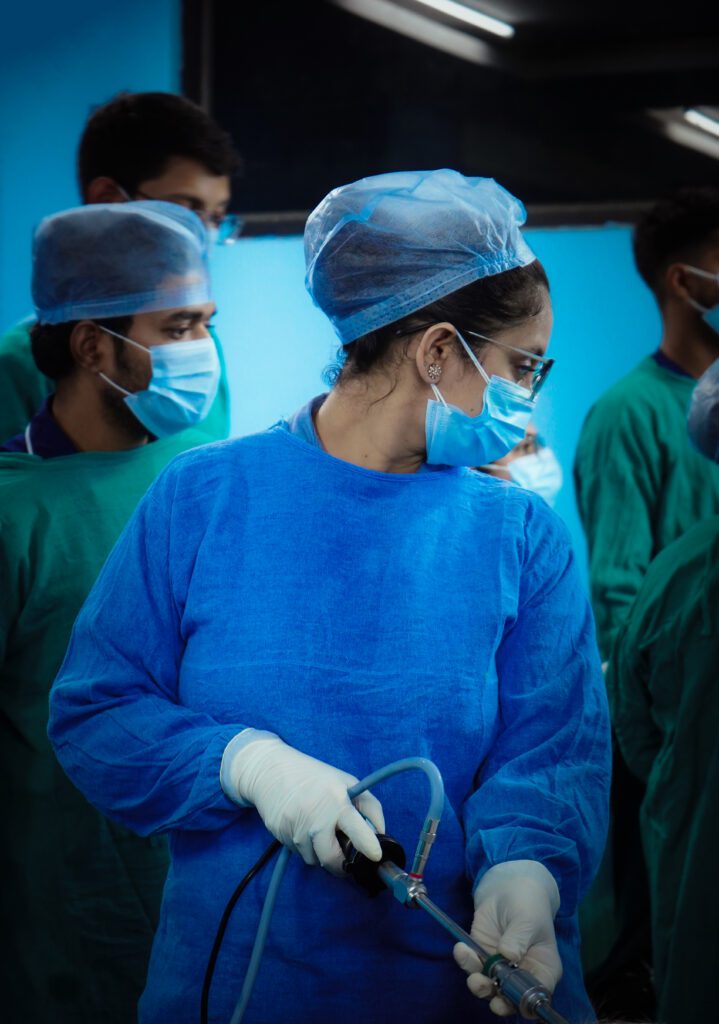
- Laparoscopy: A technique involving a thin tube (laparoscope) with a camera inserted through small abdominal incisions. Common in gynecology, urology, and gastrointestinal surgery.
- Hysteroscopy: Used to examine and operate inside the uterus via the vaginal route, without abdominal cuts.
- Robotic Surgery: An advanced form of MAS where the surgeon controls robotic instruments, enhancing precision and flexibility.
Over the years, MAS has evolved significantly. From basic laparoscopy in the 1980s to the introduction of robotic-assisted systems like the da Vinci Surgical System, innovation has driven safer, faster, and more accurate surgeries. Enhanced 3D imaging, energy devices, and artificial intelligence integration are pushing boundaries further.
Today, MAS is the preferred approach for many surgical specialties due to its benefits in reducing complications, infection risk, and recovery time. It reflects the shift toward patient-centered, technology-driven medical care.
Advantages of Minimal Access Surgery
Minimal access surgery, also known as minimally invasive surgery, offers several clear advantages over traditional open procedures, both for patients and surgeons. Among the most notable minimal access surgery advantages are smaller incisions, which lead to less pain, minimal scarring, and a significantly lower risk of infection. Patients often experience faster recovery times, allowing them to return to their daily routines sooner. Additionally, reduced blood loss and shorter hospital stays contribute to lower overall healthcare costs.
From a surgical standpoint, minimal access techniques enhance precision and control. With the use of high-definition cameras and specialized instruments, surgeons can perform complex procedures with improved accuracy. These tools also allow for shorter procedure times, which reduce the physical strain on the surgical team and improve operating room efficiency.
Patient satisfaction is another key benefit. The combination of less postoperative discomfort, quicker recovery, and minimal scarring leads to a more positive surgical experience. Many patients also report lower levels of anxiety knowing the procedure is less invasive.
Overall, the minimal access surgery advantages make it a preferred choice in many surgical specialties, including gynecology, urology, and general surgery. As technology advances, its role in modern healthcare continues to grow, improving outcomes for both patients and providers.
Whatsapp Now Read ReviewFellowship in Minimal Access Surgery: Unlocking Expertise
A fellowship in minimal access surgery is an advanced, specialized training program designed for surgeons who want to master minimally invasive surgical techniques. These procedures, which include laparoscopy and robotic surgery, are gaining popularity due to their faster recovery times, reduced complications, and improved patient outcomes. The fellowship bridges the gap between basic surgical training and expert-level competence in minimal access procedures.
- Eligibility and Duration:
Most programs require candidates to hold an MS or DNB in General Surgery, Gynecology, or related fields. Some institutions may also consider MBBS graduates with surgical experience. The duration of a fellowship of minimal access surgery typically ranges from 6 months to 1 year, depending on the institute and curriculum structure. - Program Structure and Skills Gained:
The curriculum includes hands-on training, live surgeries, simulations, and academic sessions. Trainees gain expertise in diagnostic and operative laparoscopy, hysteroscopy, and advanced procedures like intracorporeal suturing, knot tying, and energy devices usage. By the end of the course, fellows are expected to perform complex surgeries independently with minimal supervision. - Institutions Offering Fellowships:
Many esteemed global and Indian institutions offer fellowships in minimal access surgery. Internationally, institutes like IRCAD (France) and the European Academy of Gynaecological Surgery are well-known. In India, recognized centers such as AIIMS (New Delhi), CEMAST (Mumbai), and World Laparoscopy Hospital (Gurugram) provide structured fellowships with certified training and mentorship. - Benefits of Pursuing a Fellowship:
Completing a fellowship of minimal access surgery enhances a surgeon’s academic credentials and clinical confidence. It opens doors to better career opportunities, both in India and abroad, and provides professional recognition in the surgical community. Moreover, it keeps surgeons updated with the latest techniques, making them highly valuable assets in modern healthcare settings.
Diploma in Minimal Access Surgery: A Career-Boosting Credential
A Diploma in Minimal Access Surgery (MAS) is a highly regarded qualification for medical professionals seeking to enhance their surgical skills, especially in the field of minimally invasive procedures. Unlike a fellowship, which is a more advanced, specialized training program often undertaken after completing a postgraduate degree, a diploma is typically a shorter, structured course that provides foundational and advanced skills in minimal access techniques.
- Course Content and Hands-on Training
The curriculum of a Diploma in Minimal Access Surgery focuses on the theory and practical application of laparoscopic and endoscopic surgical procedures. Participants learn to perform surgeries using smaller incisions, thereby reducing recovery times and minimizing complications. The course usually includes hands-on training in state-of-the-art laparoscopic simulators and cadaveric dissection, allowing students to practice techniques under expert supervision. - Duration, Eligibility, and Certification
The duration of the program typically ranges from 6 months to 1 year, depending on the institution and the depth of the course. Eligibility generally requires a medical degree (MBBS) or an equivalent qualification, and some institutes may require prior surgical experience. Upon successful completion of the program, candidates are awarded a Diploma in Minimal Access Surgery, which serves as an internationally recognized certification of their proficiency in the field. - Value of a Diploma in Minimal Access Surgery in Clinical Practice
The diploma equips surgeons with critical skills to perform minimally invasive surgeries, which are highly sought after in modern medical practice. Surgeons who acquire this credential gain a competitive edge in the job market, as they can offer advanced treatment options with reduced patient recovery times, less pain, and fewer complications. It also helps healthcare providers meet the growing demand for less invasive procedures.
In conclusion, obtaining a Diploma in Minimal Access Surgery is a valuable step for surgeons looking to elevate their careers, improve clinical practice, and stay at the forefront of surgical innovation.
Choosing the Right Program: Fellowship vs Diploma
When considering advanced medical education, choosing between a fellowship and a diploma program can be a challenging decision. Here’s a side-by-side comparison of these two options:
- Duration: Fellowships typically last 1 to 3 years, offering in-depth, specialized training. Diplomas are usually shorter, often around 6 months to 1 year.
- Eligibility: Fellowships generally require completion of a medical degree and some level of specialization, such as residency. Diplomas may require a medical degree, but the prerequisites are often less stringent.
- Cost: Fellowships tend to be more expensive due to the extended duration and specialized nature. Diplomas are typically more affordable, given their shorter duration.
- Recognition: Fellowships are highly regarded in the medical field and often lead to higher recognition among peers and employers. Diplomas are well-respected but may not carry the same prestige as fellowships.
- Ideal candidates: Fellowships are ideal for those seeking to become experts in a specific area, whereas diplomas are best suited for professionals looking to enhance their skills in a shorter time.
Factors to Consider: Before enrolling, consider factors like career goals, financial situation, time availability, and the specific skills you aim to acquire. Fellowships are a long-term investment, while diplomas offer quicker, targeted training.
How These Programs Enhance Your Surgical Career
Enrolling in specialized surgical training programs, such as those in urogynecology, laparoscopy, or hysteroscopy, can significantly elevate your career and professional growth. These programs not only improve your technical skills but also open doors to a wider range of career opportunities. With advanced certifications, you can step into leadership roles, academic positions, or pursue opportunities with high-profile healthcare institutions.
The knowledge and expertise gained through these programs can also help increase patient trust. As a trained specialist, patients are more likely to seek your services, leading to a growth in your patient base. In turn, this enhanced reputation can lead to more referrals from colleagues, increasing your visibility and credibility in the field.
Moreover, these programs often pave the way for international recognition. Surgeons with advanced training are highly sought after across the globe, offering the potential to practice internationally. Whether it’s in a high-demand area or a developing country, your advanced skills can give you the edge in gaining worldwide exposure.
Lastly, these programs foster valuable networking opportunities. You’ll have the chance to connect with renowned mentors and like-minded peers who can share insights, provide guidance, and collaborate on research projects, further expanding your professional reach and career potential.
Conclusion
Upskilling through a MAS fellowship or diploma offers numerous benefits, including enhanced surgical precision, exposure to advanced techniques, and greater career opportunities. These specialized programs empower medical professionals to stay ahead of the curve, improve patient outcomes, and gain the confidence needed to tackle complex procedures. By investing in such qualifications, surgeons can elevate their expertise and unlock new pathways in their careers.
Take the next step in your surgical journey. Enroll in a reputable MAS fellowship or diploma program today and transform your skills for a brighter, more accomplished future in surgery.
Frequently Asked Questions
Minimal Access Surgery (MAS) refers to advanced surgical techniques like laparoscopy or endoscopy that use small incisions, leading to faster recovery, less pain, and minimal scarring. It is widely used across multiple medical specialties.
To be eligible for a fellowship in Minimal Access Surgery, candidates must hold an MBBS degree with a postgraduate qualification (MS/MD/DNB) in surgery, gynecology, or related fields from a recognized medical institution.
A diploma in Minimal Access Surgery typically ranges from 1 month to 12 months, depending on the course provider. It includes hands-on training, theoretical sessions, and exposure to real laparoscopic and endoscopic procedures
Yes, many medical professionals opt for both a diploma and fellowship in Minimal Access Surgery to enhance their skills, gain deeper clinical exposure, and boost career prospects in minimally invasive surgical techniques.
Yes, many Minimal Access Surgery training programs are recognized internationally, especially those affiliated with reputed institutions. It’s advisable to check global accreditation and certifications when enrolling in MAS courses.