

A Complete Guide to Hands on Laparoscopic Training in India
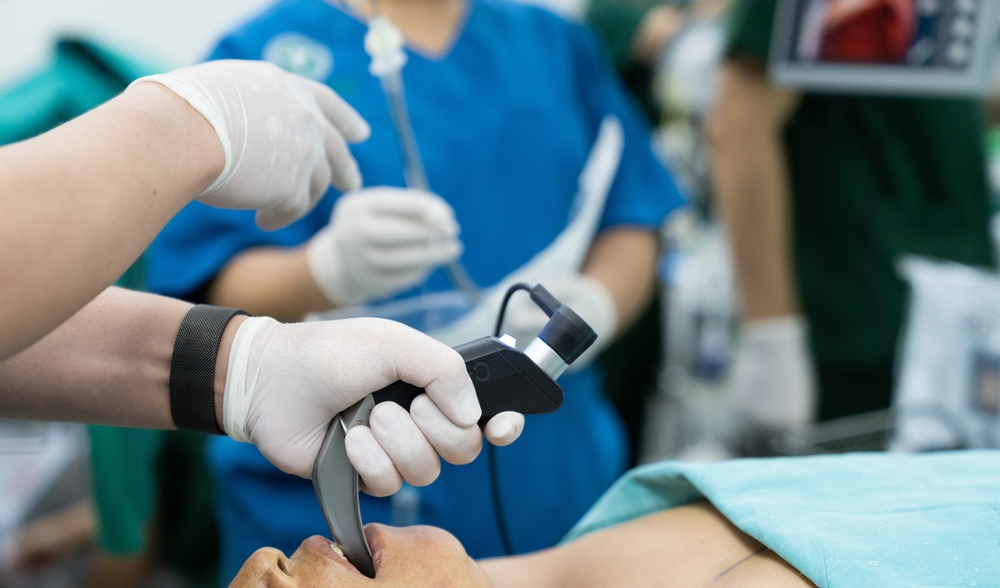
Laparoscopic surgery, often referred to as minimally invasive surgery (MIS), has revolutionized modern medicine by offering patients reduced recovery times, smaller incisions, and fewer complications. This advanced surgical technique is now a cornerstone in a wide range of medical specialties, including gynecology, urology, and general surgery. As laparoscopic procedures continue to gain popularity, the demand for skilled surgeons proficient in these techniques has risen significantly, both in India and worldwide.
In India, there is a growing emphasis on minimally invasive surgery, driven by the need for safer, more efficient procedures. As the healthcare landscape evolves, the requirement for well-trained surgeons who can perform these procedures with precision becomes increasingly important. Structured, hands-on laparoscopic training plays a vital role in ensuring that surgeons are not only familiar with the theory but are also capable of performing complex surgeries in real-life settings.
This blog will explore the significance of hands-on laparoscopic training in India, focusing on the best courses available for aspiring surgeons. We will discuss the benefits of enrolling in a comprehensive laparoscopy course, the skills acquired, and how these programs are shaping the future of surgery in India. Whether you are an aspiring surgeon or looking to enhance your skills, this guide will help you understand the importance of laparoscopic training in India.
Get course schedule
How can we help you?
Contact us for information at +918686582020
What is Laparoscopic Surgery?
Laparoscopic surgery, also known as minimally invasive surgery, is a modern technique that involves small incisions, typically less than an inch, through which a camera and specialized instruments are inserted to perform surgical procedures. This approach contrasts with traditional open surgery, where a larger incision is required to access the area being treated.
In laparoscopic surgery, surgeons use advanced lap surgery techniques, such as carbon dioxide insufflation to inflate the abdomen, which creates space for the surgeon to operate with precision. Basic laparoscopic procedures include diagnostic laparoscopy, appendectomy, and gallbladder removal, while advanced techniques encompass complex surgeries like colorectal resections, bariatric procedures, and urological operations.
Compared to traditional open surgery, laparoscopic surgery offers numerous benefits, including smaller scars, reduced risk of infection, shorter hospital stays, faster recovery times, and less postoperative pain. It is widely used across various specialties, making it a preferred choice for patients seeking minimally invasive procedures.
Why Choose Hands-on Laparoscopic Training?
Hands-on laparoscopic training offers numerous advantages over purely theoretical learning, particularly for aspiring surgeons looking to master complex surgical techniques. One of the most significant benefits is the development of critical surgical skills such as hand-eye coordination, instrument handling, and depth perception. These are essential when performing laparoscopic surgeries, where precision is paramount.
In contrast to theoretical knowledge, hands-on training allows trainees to actively engage with laparoscopic instruments and practice in a simulated environment. Using laparoscopic simulators, participants can experience real-time patient simulations, which helps them understand the nuances of operating in a minimally invasive setting. This practical exposure provides a deeper understanding of the procedures, making it easier to transition to real surgeries in a clinical setting.
Another key advantage of hands-on laparoscopic courses is the confidence they build. By repeatedly practicing techniques in a controlled environment, surgeons enhance their skills, reduce anxiety, and improve their overall surgical performance. This confidence is vital when performing complex surgeries on patients, ensuring both safety and efficiency.
Choosing a hands-on laparoscopic course is not just about learning the theory behind surgery—it's about refining surgical skills through practical experience. With laparoscopic simulator practice and direct interaction with instruments, surgeons can elevate their proficiency, ensuring better patient outcomes in the operating room.
Whatsapp Now Read ReviewKey Components of a Good Laparoscopic Training Program
The laparoscopic course curriculum should cover various skill levels, starting from the basics and progressing to advanced laparoscopic training. The training typically begins with fundamental techniques, advancing to complex procedures to ensure trainees build a solid foundation while mastering cutting-edge skills.
The training modules should include a combination of simulators, live surgeries, animal labs, and cadaver labs. Simulators provide a safe environment for learners to practice fundamental techniques, while live surgeries offer real-time observation and participation under expert guidance. Animal and cadaver labs further enhance the hands-on experience, allowing trainees to perform procedures and understand anatomical variations.
Faculty expertise and mentorship play a critical role in shaping a successful laparoscopic surgeon. Instructors should have extensive experience in laparoscopic surgery, ensuring that learners receive valuable insights and individualized guidance. Mentorship helps bridge the gap between theory and practice, providing both technical skills and professional development.
The duration of training programs varies, typically spanning from a few weeks to several months. Upon completion, certification is awarded to validate the trainee’s competency in performing laparoscopic procedures. Programs should also integrate laparoscopic surgery tools and the latest technology, ensuring that participants are familiar with the advanced equipment commonly used in modern surgical settings.
In summary, a well-rounded laparoscopic training program incorporates a structured curriculum, diverse training modules, expert mentorship, and access to cutting-edge technology, offering the foundation necessary for becoming a proficient laparoscopic surgeon.
Top Institutes Offering Hands-on Laparoscopic Training in India
The Medicity Research Institute stands out as one of the best hands-on laparoscopic training centers in India, offering specialized programs designed for gynecologists, urologists, and other medical professionals looking to enhance their skills in minimally invasive surgery. Located in DLF Phase 3, Gurugram, and also having a branch in Dubai Silicon Oasis, UAE, The Medicity provides comprehensive laparoscopic training with a global reach.
- Program Highlights: The institute offers a diverse range of courses, including a specialized laparoscopic fellowship that focuses on both basic and advanced techniques. The curriculum includes theory, practical sessions, and live surgeries, ensuring participants gain extensive hands-on experience. The training is tailored to the needs of gynecologists, urologists, and other specialists, making it an ideal choice for those seeking laparoscopic training for gynecologists and urologists.
- Eligibility and Duration: To enroll in the fellowship or other training programs, participants typically need to have a medical degree (MBBS, MD, MS, or equivalent). The duration of the courses ranges from a few weeks to several months, depending on the specific program chosen.
- Course Fees and Value for Money: The fees for courses at The Medicity Research Institute are competitive, considering the quality of instruction and the advanced facilities available. The institute prides itself on offering value for money, as it ensures that participants not only gain practical skills but also receive ongoing support post-training.
The Medicity Research Institute remains a leading choice for professionals seeking the best laparoscopic training institutes in India.
How to Choose the Right Laparoscopic Training Course
When selecting a laparoscopic training course in India, it’s essential to consider your specialization. Whether you’re a gynecologist, urologist, or general surgeon, choosing a course tailored to your field will ensure you gain relevant skills. Specialized laparoscopic training for specialists offers focused instruction that aligns with your practice and patient needs.
Another key factor is the duration of the course. Short-term workshops provide quick, intense learning, while long-term fellowships offer more comprehensive, in-depth training. Short-term workshops are ideal if you’re looking for a refresher or want to develop specific skills, while long-term fellowships are better for those seeking to master advanced techniques.
Accreditation is crucial when choosing a laparoscopic course. Ensure that the training program is recognized by reputed medical boards or institutions. This ensures that the course is up to global standards and provides valuable certification.
Finally, reviews and recognition from past participants play a significant role. Look for feedback on the quality of training, faculty expertise, and hands-on exposure. Positive reviews and recognition can guide you towards the best laparoscopic workshops in India, ensuring your investment in training yields practical and effective results.
What to Expect During the Training
A hands-on laparoscopic training course in India is designed to offer a comprehensive learning experience, combining theoretical knowledge with practical surgical practice. The day-to-day schedule typically includes a balanced mix of lectures, live demonstrations, and hands-on surgical practice. Mornings often begin with lectures on advanced laparoscopic techniques, anatomy, and the latest innovations in the field. These are followed by practical sessions where participants get to practice on simulators or models, refining their skills in a controlled environment.
The learning curve for laparoscopic surgery is gradual, with beginners starting with basic procedures and advancing to more complex ones. Trainees are guided through various stages of skill development, from initial familiarity with laparoscopic instruments to performing intricate surgeries under supervision. The hands-on training benefits are immense, as participants are given the opportunity to actively engage in procedures, fostering confidence and proficiency.
In terms of hands-on vs. observation ratio, a well-structured program ensures that trainees spend a significant portion of their time practicing. Observation sessions are designed to provide insights into complex surgeries but are balanced with hands-on opportunities. Throughout the course, continuous assessment and feedback mechanisms are integrated, where mentors provide constructive evaluations to ensure optimal learning and skill refinement.
By the end of the course, participants gain not only technical expertise but also the confidence to perform laparoscopic surgeries independently, setting them up for a successful career in minimally invasive surgery.
Career Opportunities After Laparoscopic Training
Completing hands-on laparoscopic training opens up a wide range of career opportunities for medical professionals in India. With the growing demand for minimally invasive surgery (MIS), laparoscopic skills are highly sought after across various sectors of healthcare. One of the key impacts of this training is its enhancement of clinical practice, enabling surgeons to perform complex surgeries with precision and reduced patient recovery times.
Upon completion, several fellowship opportunities are available, particularly in India, where laparoscopic fellowships are offered by renowned medical institutions and hospitals. These fellowships not only deepen surgical expertise but also open doors to better hospital placements and clinical positions in top healthcare organizations. Laparoscopic training boosts the chances of securing specialized roles, such as a consultant in MIS surgery.
In addition to hospital positions, the training creates avenues in teaching and research. Experienced professionals can contribute to the academic field by taking on roles as educators in medical colleges or training programs. Private practice is another lucrative option, as more patients seek expert laparoscopic surgeons for elective procedures. Laparoscopic training provides a solid foundation for those interested in expanding their career within MIS surgery, offering a promising future for growth and success in this rapidly evolving field.
Conclusion
In the ever-evolving field of minimally invasive surgery (MIS), hands-on laparoscopic training in India plays a pivotal role in bridging the gap between theoretical knowledge and real-world surgical expertise. Practical exposure is essential—not only for mastering techniques but also for building confidence in clinical settings.
Choosing the right laparoscopic training India program can shape your surgical career, opening doors to global opportunities in MIS education. With a structured curriculum, expert mentorship, and real-time simulation, hands-on surgery training equips aspiring surgeons with the skills they need to excel.
If you’re ready to take the next step in your professional journey, explore accredited laparoscopic courses that prioritize hands-on experience. Still unsure where to start? Don’t hesitate to reach out—we’re here to help guide your path toward surgical excellence.
Frequently Asked Questions
It is an introductory course that teaches essential laparoscopic techniques, such as hand-eye coordination, suturing, and instrument handling, typically using simulators.
You can learn laparoscopy through hands-on laparoscopic training programs, simulation labs, online modules, and mentorship from experienced surgeons in accredited medical institutions.
Candidates must hold an MBBS or equivalent medical degree. Postgraduate surgical trainees or practicing surgeons often qualify for advanced laparoscopic training programs.
Yes, laparoscopy refers to both the procedure and the instrument—laparoscope—used to view and operate inside the abdomen with minimal incisions.
Reputed institutes do. You might get continued mentorship, access to alumni groups, updates on new procedures, and even help with job placement.
The duration of a laparoscopic course varies, typically ranging from a few days for basic skills workshops to 3–6 months for advanced certification.